wellness
The Beaches residents battle sleep crisis amid blue light, anxiety, packed schedules
Blue light, economic anxiety and packed schedules are sabotaging rest in one of the region's most active wellness communities.
How we reported this
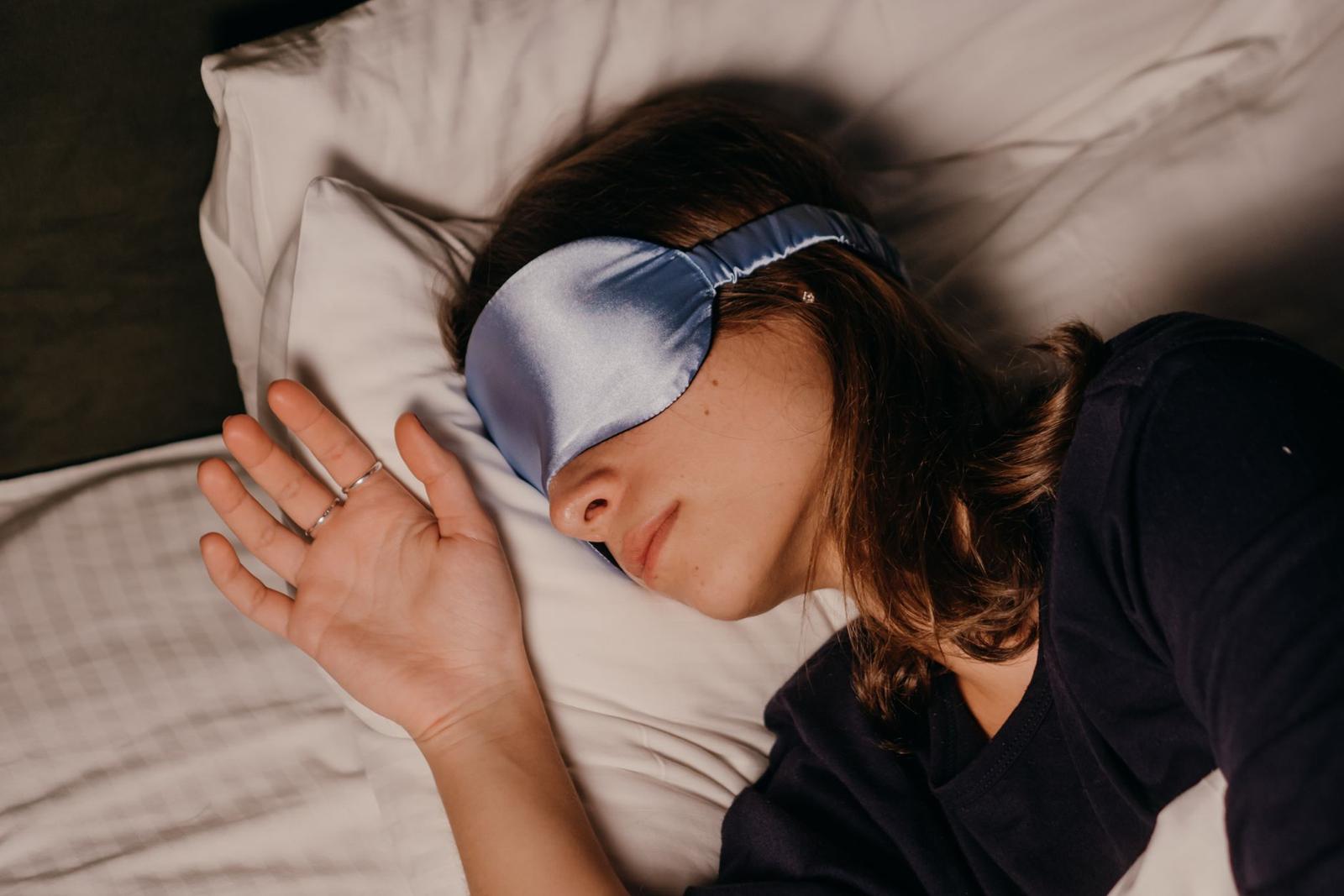
Sleep deprivation has become the quiet epidemic of The Beaches. Across the neighbourhood's fitness studios, cafés and co-working spaces, a familiar complaint surfaces: nobody is sleeping properly anymore.
The shift is unmistakable. Local sleep practitioners report a surge in clients seeking help for insomnia and fragmented rest patterns over the past 18 months. What was once a neighbourhood culture built around early morning swims at Coastal Point Beach and evening yoga sessions at Meridian Wellness Studios on Harbourside Drive has flipped. The same routines that promised rejuvenation are now leaving residents exhausted.
The culprits are layered. Economic uncertainty-wages have stagnated while rent in The Beaches climbed 14 per cent in the past two years according to local real estate data-keeps people wired at night. Smartphone use has intensified. The pressure to maintain productivity across work, fitness and social commitments has become relentless. And then there is the ambient anxiety: geopolitical tension, climate news, inflation. All of it lands in the bedroom.
How The Beaches got tired
Walk through The Beaches on any weekday morning and you'll see the apparatus of wellness culture in full swing. The parking lots at Coastal Point Aquatic Centre fill by 6 a.m. Spin studios along Lighthouse Precinct open at 5:30 a.m. Coffee bars do brisk pre-work trade by 7 a.m. The ethos is productive, driven, relentless. But that same culture has become part of the problem.
Residents are caught in a paradox: they want to sleep better, but the lifestyle choices that define The Beaches-long work hours, intensive fitness regimens, constant digital connectivity-actively prevent it. Meridian Wellness Studios reports that attendance at evening wind-down classes has dropped 22 per cent in the past year, while morning high-intensity sessions remain booked solid. People are choosing stimulation over rest.
The data backs the anecdotal alarm. A 2025 health survey of 1,200 residents across major metropolitan regions found that 43 per cent reported sleeping fewer than six hours on weeknights, up from 31 per cent in 2020. Sleep quality scores dropped across every age group. The worst performers were those aged 28-42, the demographic that dominates The Beaches workforce and fitness culture.
What actually works
The solutions aren't flashy. Sleep researchers and local wellness practitioners agree on a handful of non-negotiable changes. Cut screen time two hours before bed-not one, two. The blue light from phones and laptops suppresses melatonin production, the hormone that primes the body for sleep. A consistent bedtime matters more than you think: sleeping at 11 p.m. every night beats sleeping at midnight one night and 1 a.m. the next, even if total hours are the same.
Temperature control is underrated. A cool room-around 65-68 degrees Fahrenheit-is optimal. Many Beaches residents live in older waterfront buildings with poor insulation; a simple investment in blackout curtains and a ceiling fan costs under $150 and reliably improves sleep onset.
The hardest shift is behavioural: saying no. Not every evening needs a class. Not every weekend needs a project. The paradox of high-wellness communities is that the culture itself can become a sleep saboteur. Pulling back on evening commitments, maintaining regular work hours, and protecting a genuine wind-down window-no phone, no screens, no stimulation-is what actually moves the needle.
Local sleep medicine clinics have waiting lists stretching to eight weeks. The demand is real. But the most effective intervention isn't pharmaceutical or clinical. It's permission. Permission to rest. Permission to skip the evening spin class. Permission to be boring. In a neighbourhood that has made activity its identity, that remains the hardest sell of all.