wellness
Social Connection as Medicine: The Loneliness Epidemic Hitting The Annex Hard
As isolation quietly reshapes daily life on Bloor Street West and beyond, researchers and local programs are making the case that friendship isn't a luxury, it's a health intervention.
How we reported this
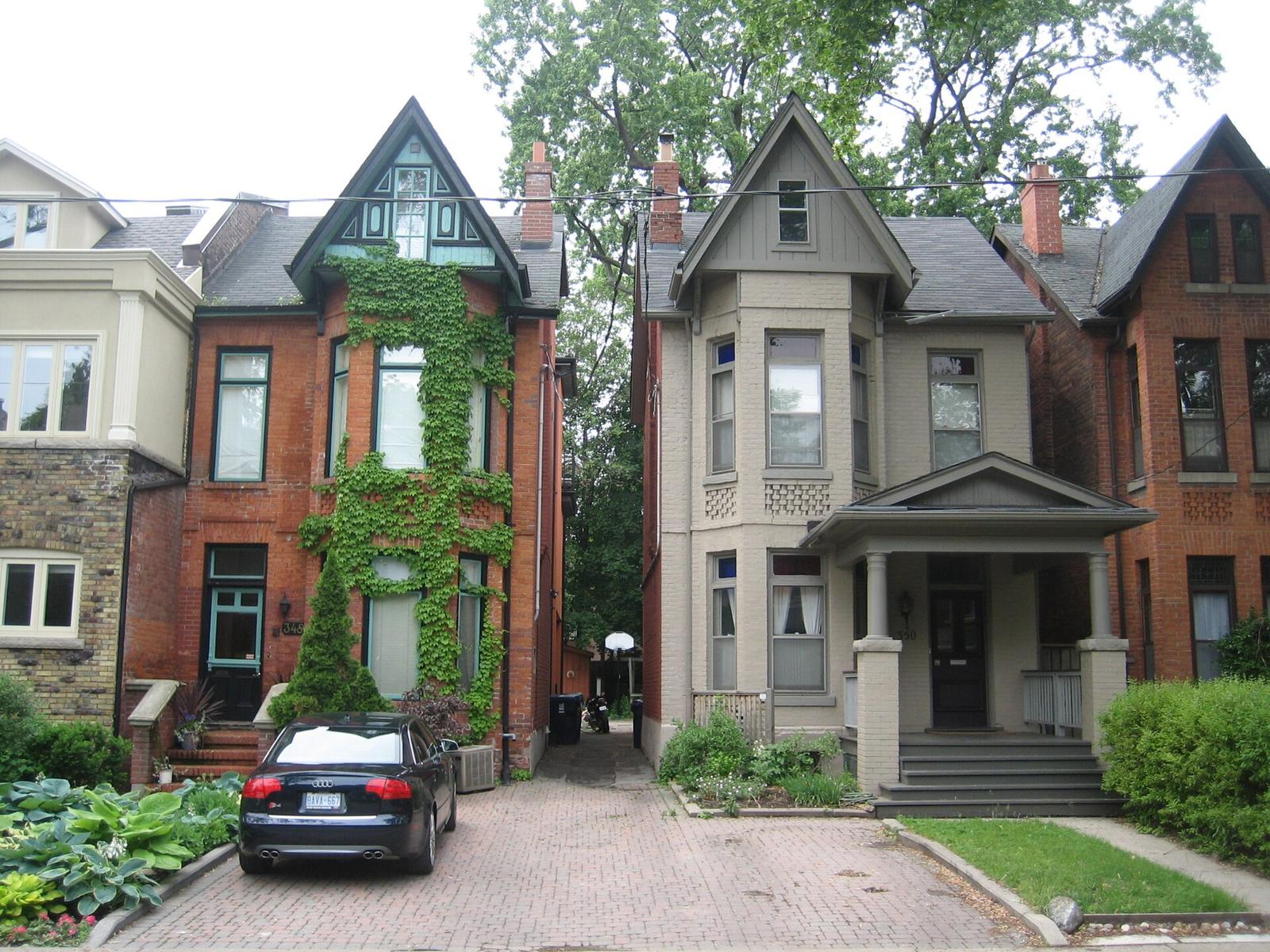
Loneliness is not a mood. It is a measurable health risk, and it is spreading through urban neighbourhoods like The Annex at a pace that has put community health workers on alert heading into the second half of 2026. The question isn't whether residents here are affected, it's whether the local infrastructure exists to do something about it.
The timing matters. A global conversation about hormones, mental load, and burnout has dominated wellness media this summer, but the more fundamental problem sits underneath all of it: people are spending more hours alone, and their bodies are registering the cost. Chronic loneliness has been linked to elevated cortisol, disrupted sleep, and cardiovascular strain. It is, by almost any clinical measure, a stress management crisis hiding in plain sight.
What the Numbers Say
The evidence is not abstract. A 2023 advisory from the U.S. Surgeon General described loneliness as an epidemic affecting roughly half of American adults, a benchmark that public health researchers in Canada have used to frame comparable domestic surveys. Closer to home, Statistics Canada data from 2021 found that approximately one in four Canadians reported feeling lonely often or almost always, a figure that worsened significantly among adults aged 20 to 34. That demographic is densely represented in The Annex, a neighbourhood bounded by Bathurst Street, Dupont Street, and Avenue Road, where rental apartments and graduate student housing sit alongside long-established family homes.
The economic dimension adds pressure. A shared apartment on Brunswick Avenue now routinely lists above $2,200 per month for a two-bedroom unit, pricing out the informal social arrangements, roommates, shared dinners, overlapping schedules, that once acted as organic buffers against isolation. When people can't afford to live together, they end up living alone, and the social stitching comes undone quietly.
Where The Annex Is Showing Up for Its Residents
A handful of local organisations are treating connection as a direct intervention rather than a side effect of other programming. The Annex Residents' Association, which has maintained a presence on Bloor Street West since the 1970s, runs periodic community gatherings and advocacy events that double as low-barrier social infrastructure. Attendance doesn't require a gym membership or a diagnosis, just showing up.
The Lillian H. Smith Branch of the Toronto Public Library, at College Street and Spadina Avenue just south of the neighbourhood, runs regular programming that health advocates increasingly describe in the same language as community care. Free drop-in events, reading groups, and maker-space sessions create what urban health researchers call "third places", spaces that are neither home nor work, where incidental human contact accumulates into something that looks, neurologically, a lot like medicine.
Further north, Dovercourt-Wallace Emerson-Junction neighbourhood programming offers a template The Annex has begun to replicate through local faith communities and the network of independent cafés along Harbord Street. Several of those cafés now partner informally with mental health outreach programs to train staff in recognising signs of acute isolation among regulars, a model borrowed from similar initiatives in Manchester and Amsterdam.
The practical advice from wellness professionals is unglamorous but specific. Scheduling social contact the way you schedule exercise, blocking it, protecting it, treating cancellation as a cost rather than a convenience, is consistently flagged in stress management literature as one of the highest-return behavioural changes available. Two to three hours of in-person social engagement per week has shown measurable effects on self-reported stress levels in controlled studies.
For Annex residents who want to start somewhere this month, the Annex Residents' Association website lists upcoming events, the Lillian H. Smith branch publishes its July programming calendar online, and several running groups departing from Christie Pits Park on Tuesday and Thursday mornings offer the added benefit of exercise alongside contact. The Annex has the raw material. The harder work is convincing people that using it counts as healthcare. Consult a local physician or registered mental health professional for personalised guidance on managing stress and social wellbeing.