wellness
Your Brain on Meditation: The Science Is More Concrete Than You Think
New neuroscience research is putting hard numbers on what mindfulness actually does inside your skull, and residents of The Annex are increasingly paying to find out.
Listen in English · 5 min
How we reported this
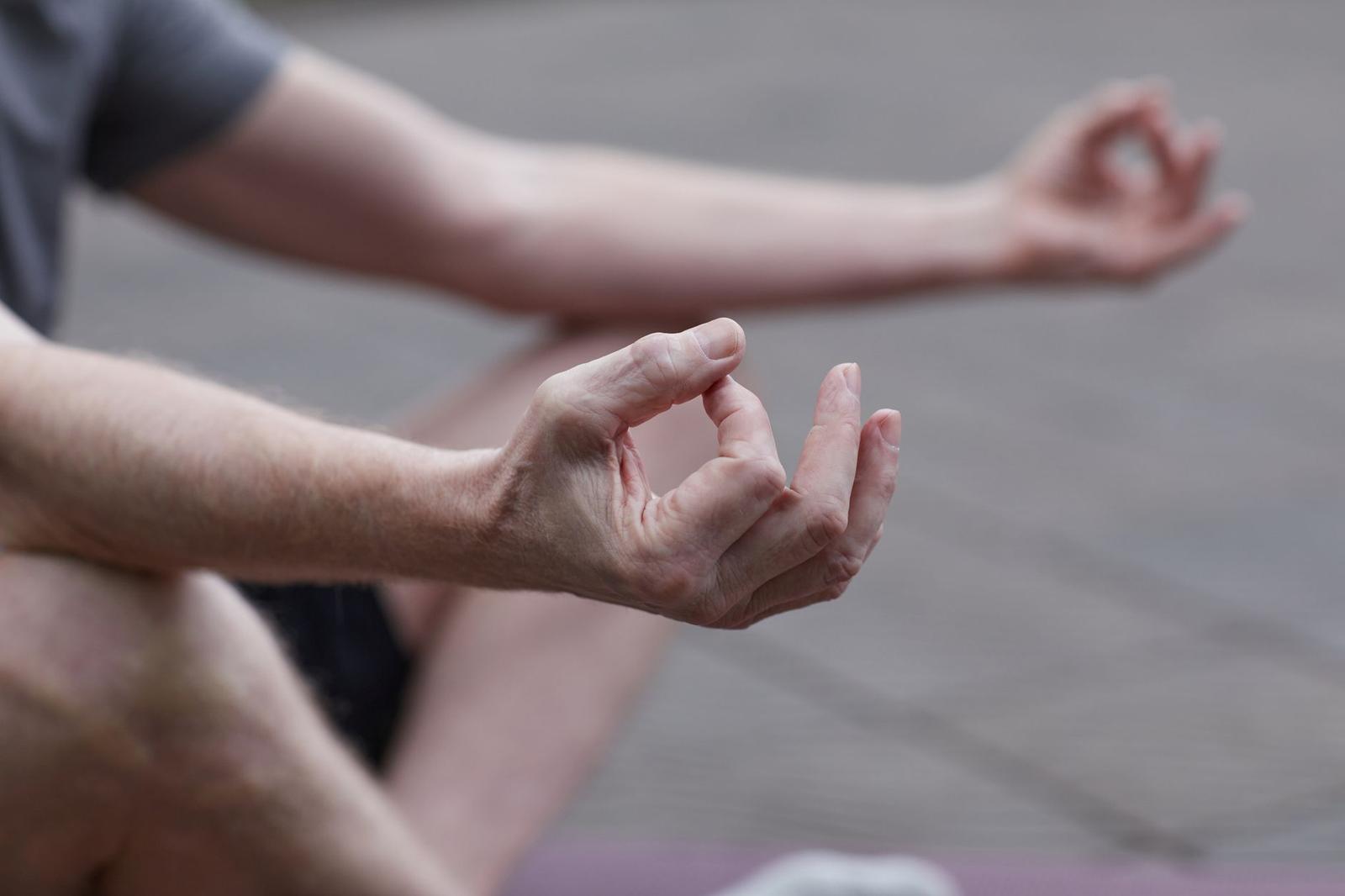
Eight weeks. That is how long it takes for a consistent mindfulness practice to produce measurable structural changes in the human brain, according to a landmark 2011 study out of Harvard Medical School that has since been replicated across dozens of labs. The research found that participants who meditated for an average of 27 minutes a day showed increased grey matter density in the hippocampus, the region responsible for learning and memory, and a reduction in grey matter volume in the amygdala, the brain's primary fear and stress processor.
The timing of this research landing back in popular conversation is not accidental. Across The Annex, wellness providers are reporting packed classes and waitlists stretching into September. The neighbourhood's active culture, long centred on the running paths along Bloor Street West and the yoga studios clustered near Bathurst, is pivoting hard toward the mental end of the fitness spectrum. Stress, financial pressure tied to a cooling property market, and a post-pandemic hangover that still hasn't fully cleared are pushing people toward practices that promise measurable internal results rather than just aesthetic ones.
What the Neuroscience Actually Shows
The brain changes researchers document are not subtle or spiritual, they are structural. A 2018 meta-analysis published in Neuroscience and Biobehavioral Reviews pooled data from 21 neuroimaging studies and found consistent thickening of the prefrontal cortex among long-term meditators. The prefrontal cortex governs executive function: decision-making, impulse control, emotional regulation. Thicker cortex, better brakes on reactive behaviour. The same analysis flagged changes in the insula, a region tied to interoception, the brain's ability to read the body's internal signals. Meditators, in short, get better at noticing what their bodies are telling them before stress cascades into crisis.
Cortisol is the other piece of the puzzle. A 2013 randomised controlled trial from Carnegie Mellon University measured salivary cortisol in participants before and after a three-day mindfulness retreat. Cortisol levels dropped significantly in the mindfulness group versus the relaxation-only control group. Lower chronic cortisol is linked to reduced inflammation, better immune response, and improved cardiovascular markers. This is not warm-and-fuzzy territory. It is biochemistry.
Where The Annex Is Taking This Seriously
Annex Mindfulness Collective on Dupont Street runs an eight-week Mindfulness-Based Stress Reduction program, the clinical protocol developed at the University of Massachusetts Medical School in 1979 and still considered the gold standard, for $320 per participant, with sliding-scale spots available for lower-income residents. The program follows the original 26-hour curriculum structure, including one full-day silent retreat on week six. Their July cohort filled in under 48 hours.
Two blocks south, the Bloor Street Meditation Hub hosts drop-in sessions every Tuesday and Thursday evening at 7 p.m. for $18 a class, or $120 for a 10-class pass. The Hub added a Saturday morning neuroscience-focused session in April 2026, pairing a 30-minute seated practice with a short facilitator-led breakdown of the brain research underpinning each technique. Attendance has doubled since launch.
For those not ready to commit to a program, the Toronto Public Library's Annex branch on Dupont runs a free monthly guided session on the first Wednesday of each month, the next one falls on August 5.
The practical upshot is straightforward. The science does not require you to believe anything. It requires consistency and a willingness to sit still. Start with ten minutes a day using a structured technique, breath-focused attention, body scan, or open monitoring, and stay with it for the full eight weeks before judging results. Track your sleep quality and any subjective stress markers weekly. If you have an existing anxiety disorder or trauma history, speak with a local therapist or GP before beginning an intensive program, since deep introspective practice occasionally surfaces difficult material that warrants professional support. The Annex has the infrastructure. The research has the receipts. The gap between the two is just time and a Tuesday evening.