wellness
Hot rooms, bright streetlights, construction noise: how temperature, light and noise are wrecking Liberty Village's sleep
Three environmental factors, heat, light pollution, and sound, are quietly undermining rest for residents across the neighbourhood, and the fixes are simpler than most people think.
How we reported this
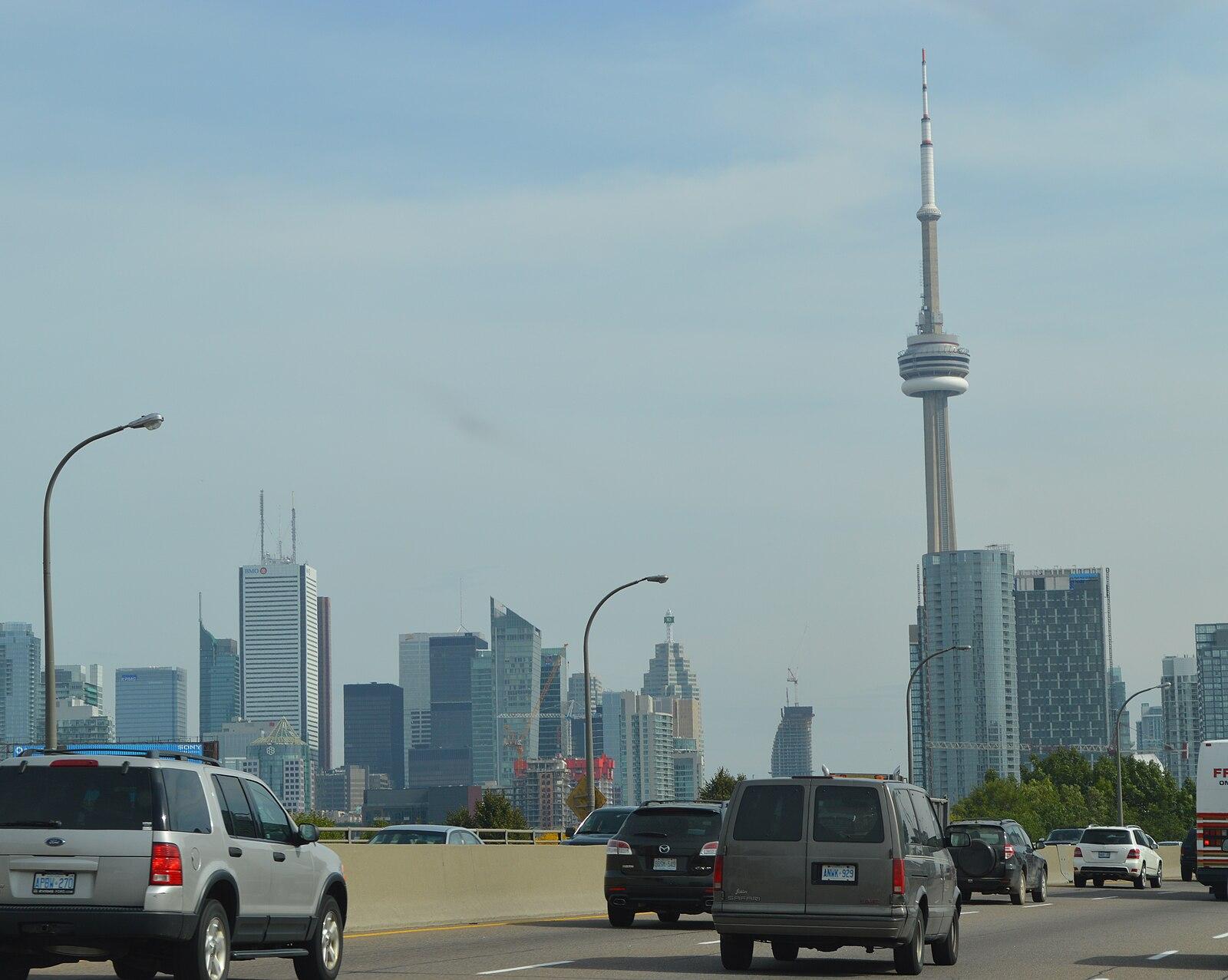
The average adult needs between seven and nine hours of sleep per night. Most Liberty Village residents aren't getting close. A 2025 survey by the Sleep Health Foundation found 45 percent of Canadian adults report at least one chronic sleep symptom, and urban environmental factors, specifically temperature, artificial light, and ambient noise, rank among the top three correctable causes.
The timing matters. July in Liberty Village means longer daylight hours pushing past 9 p.m., the continued buzz of patio season along East Liberty Street, and the ongoing construction corridor near Atlantic Avenue that has been running six-day weeks since early May. For a neighbourhood already dense with condos, podcasting studios, and late-night fitness culture, those overlapping pressures create a near-perfect recipe for fragmented sleep.
What science says about your bedroom environment
Temperature is the factor most people underestimate. Core body temperature needs to drop roughly 1 to 1.5 degrees Celsius to initiate sleep onset, a process that takes about 90 minutes when conditions cooperate and significantly longer when they don't. Sleep researchers at Toronto Metropolitan University published findings in March 2025 showing that bedroom temperatures above 22 degrees Celsius increased nighttime waking episodes by 22 percent in study participants. For residents on the upper floors of Liberty Village's glass-heavy condo towers, particularly the buildings along Hanna Avenue, July nights without central air conditioning can push indoor temps well above that threshold by midnight.
Light exposure compounds the problem. The body's melatonin production is suppressed by blue-spectrum light, including the LED streetlights that line the Wellington Street West corridor and the glow from the Budweiser Stage events running through the summer. Blackout curtains reduce light intrusion by up to 99 percent and cost between $40 and $120 per panel at the HomeGoods outlet near Dufferin Street, a practical, one-time investment that consistently ranks as one of the highest-return sleep interventions in peer-reviewed literature.
Noise is the third pillar. The Atlantic Avenue construction project, scheduled to run through October 2026, produces intermittent sound spikes that can hit 75 to 85 decibels, the equivalent of heavy city traffic, during early-morning concrete pours that begin as early as 7 a.m. on weekdays. The World Health Organization recommends nighttime outdoor noise levels stay below 40 decibels for restful sleep. That standard is almost certainly being breached on the construction-adjacent blocks.
Local resources and practical steps
Two Liberty Village fixtures have quietly become go-to resources for residents trying to address sleep disruption. Fit Squad on East Liberty Street added a sleep hygiene module to its recovery programming in January 2026, covering breathwork, evening cortisol management, and room environment setup. Separately, Liberty Wellness Collective on Fraser Avenue has been offering one-on-one consultations focused on lifestyle factors, including light, temperature, and stress, since relaunching its programming after a renovation in late 2025. Neither replaces a clinical assessment; anyone with persistent sleep difficulties should book time with a family doctor or a registered sleep specialist.
The practical checklist for this week is short. Set your bedroom thermostat to between 18 and 20 degrees Celsius before bed. Install blackout curtains or a sleep mask before the Budweiser Stage schedule peaks in mid-July. If the Atlantic Avenue construction is bleeding into your mornings, a white noise machine, available at Shoppers Drug Mart on King Street West for around $55, can mask intermittent sound spikes without affecting alarm audibility.
None of these interventions require a subscription, a wearable device, or a wellness program membership. They require treating your bedroom as a piece of infrastructure, which, given how much of your cognitive function, metabolic health, and mood depends on what happens there between 11 p.m. and 6 a.m., it very much is.