wellness
Your Bedroom Is Working Against You: How Temperature, Light and Noise Are Wrecking Sleep in Kensington Market
The sensory chaos of one of Toronto's most vibrant neighbourhoods is quietly undermining the sleep health of its residents, here's what the science says, and what you can do about it.
How we reported this
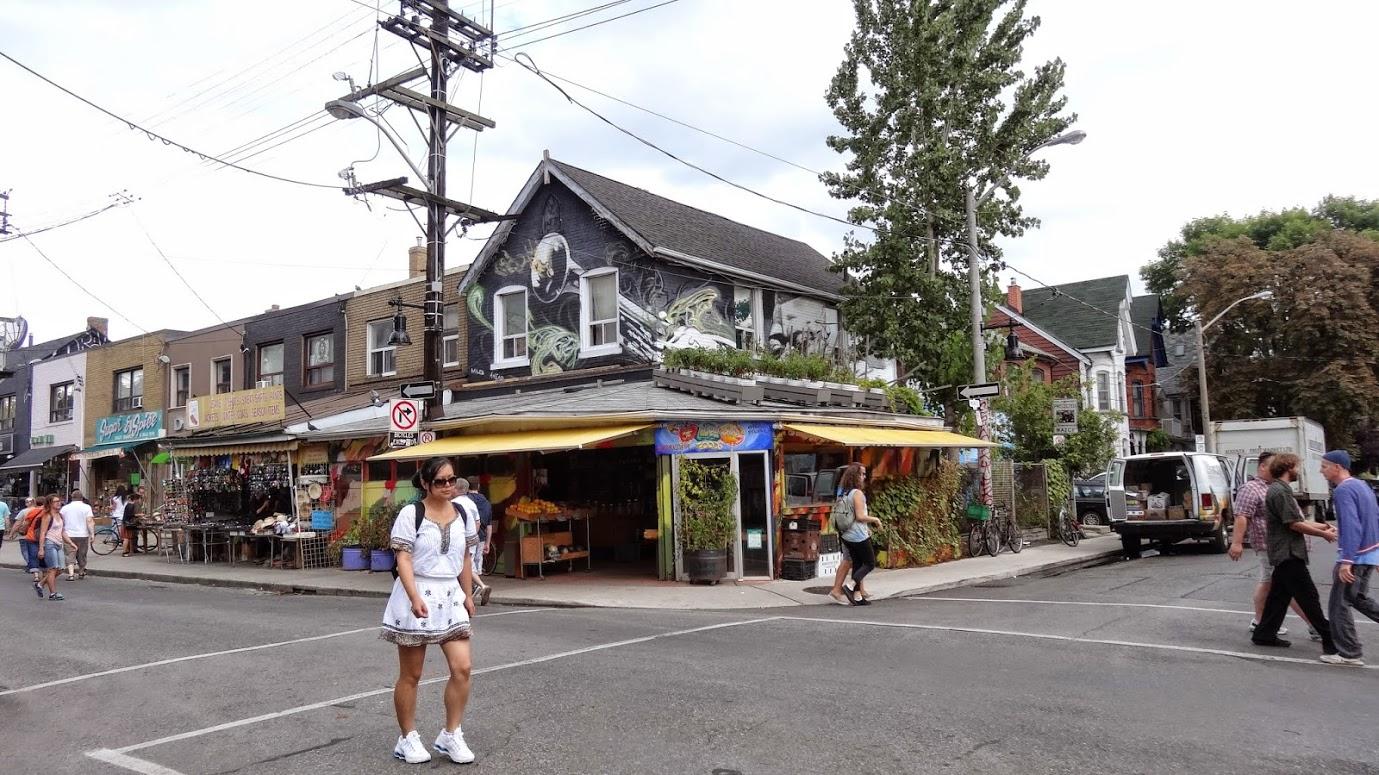
The alarm goes off at 7 a.m. on Augusta Avenue and you've technically been in bed for eight hours. You're still exhausted. The problem almost certainly started before you closed your eyes.
Sleep researchers have spent the better part of two decades building an unusually clear picture of what disrupts restorative sleep, and the findings point to three environmental factors above almost everything else: ambient temperature, light exposure, including the blue-spectrum light from phones and streetlights, and noise. For people living in Kensington Market, all three operate at extreme levels. The neighbourhood runs loud and bright well past midnight on any given Friday, and Toronto's aging housing stock means most apartments offer little buffer from either.
The Three-Front Assault on Your Sleep
Temperature matters more than most people appreciate. The body needs its core temperature to drop roughly one to two degrees Celsius to initiate and maintain deep sleep. Most sleep medicine guidelines point to a bedroom temperature between 15.6°C and 19.4°C as optimal for adults. In a third-floor flat above a restaurant on Baldwin Street in July, achieving that without air conditioning is close to impossible. Humidity compounds the problem, sweating disrupts sleep continuity even when a person doesn't fully wake.
Light is the second lever. The human circadian system is acutely sensitive to blue-wavelength light in the 460-480 nanometre range, the frequency abundant in LED streetlights and phone screens. Exposure in the two hours before bed suppresses melatonin production, the hormone that cues the body to sleep. Kensington Market's neon-lit storefronts along Kensington Avenue and the perpetual glow from the Dundas Street West corridor mean residents in street-facing units are contending with meaningful light pollution even with curtains drawn. Blackout blinds reduce intrusion by roughly 99 percent but remain an afterthought in most market-rate rentals.
Noise is the factor Kensington Market residents most readily identify. The neighbourhood's festivals, live music venues and late-night foot traffic generate sustained sound levels that, per data from Toronto Public Health's environmental noise monitoring program, can exceed 65 decibels on weekend nights along the core commercial streets. The World Health Organization recommends average outdoor night noise below 40 decibels to protect sleep health. At 65 decibels, the body registers a stress response even without conscious awakening, cortisol rises, heart rate elevates, and the proportion of slow-wave and REM sleep shrinks.
Local Resources and Practical Fixes
The good news is that the neighbourhood's wellness community has started treating sleep as a serious public health concern rather than a lifestyle luxury. The Kensington Market Community Centre on Augusta Avenue periodically hosts sleep hygiene workshops as part of its broader wellness programming, check their bulletin board or the Augusta-Spadina Residents Association newsletter for upcoming dates. Several practitioners at the integrative health clinic at the corner of College Street and Bathurst Street offer consultations specifically addressing urban sleep disruption, including guidance on melatonin timing, light therapy devices and soundproofing strategies.
Practical interventions don't require major expenditure. A white noise machine, available for under $60 at most hardware and home goods stores along Bloor Street West, can mask the variable street noise that sleep researchers identify as most damaging. Variable noise, like a passing car or a shouted conversation, is far more disruptive than constant ambient sound because the brain involuntarily orients toward sudden acoustic change. A steady masking sound short-circuits that reflex.
For light, a $15-$25 pair of amber-tinted glasses worn for 90 minutes before bed has been shown in multiple peer-reviewed studies to meaningfully preserve melatonin levels even when screens remain in use. Combine them with blackout curtains, available from the home textiles vendors at Kensington Market's permanent stalls starting around $35 per panel, and most residents will notice a difference within a week.
Temperature control is the hardest fix in a dense urban neighbourhood without central air, but a cooling pillow insert, a fan positioned to create cross-ventilation, and keeping the bedroom door closed during the day to trap cooler morning air all help. If you're consistently waking unrefreshed despite trying these measures, a conversation with your family doctor or a registered sleep therapist is the right next step. No lifestyle hack substitutes for a proper clinical assessment.