wellness
Kensington Market Residents Battle Sleep Crisis: Here's What Helps
From hormone shifts to housing anxiety, a perfect storm of pressures is cutting into the neighbourhood's sleep, but local options are multiplying fast.
Listen in English · 4 min
How we reported this
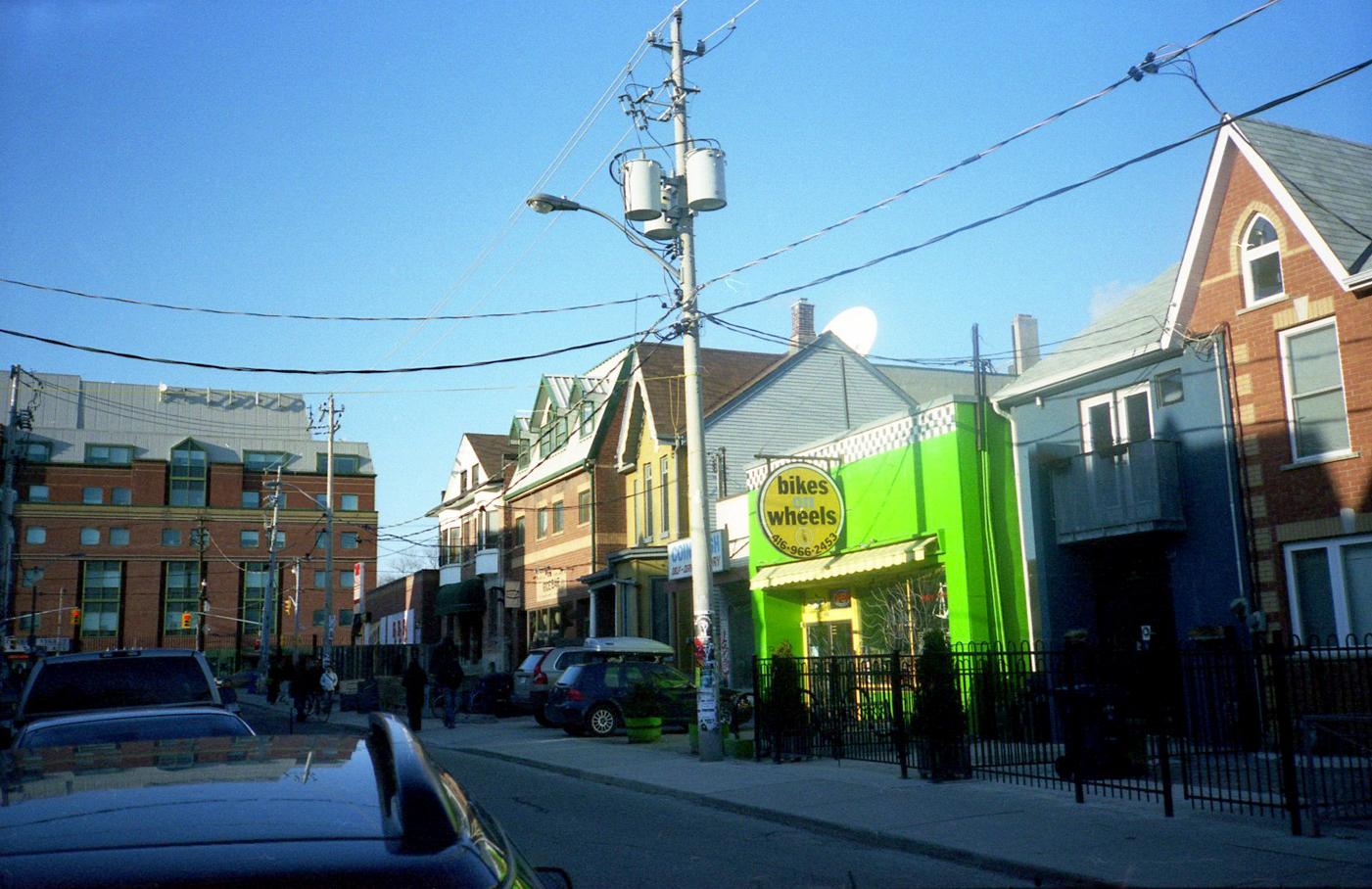
The alarm goes off at 7am and half of Kensington Market was already awake an hour before it. Sleep deprivation has quietly become one of the neighbourhood's defining wellness complaints of 2026, with practitioners along Augusta Avenue and Kensington Market's cluster of holistic health studios reporting that poor sleep now ranks as the number one concern clients walk in with, ahead of back pain, anxiety, and nutrition questions combined.
The timing matters. A confluence of pressures landed this year with unusual force. Property stress, even for renters watching ownership drift further out of reach, is generating a low-grade financial anxiety that keeps cortisol elevated well into the night. Hormone questions are surfacing everywhere: testosterone, melatonin, HRT, progesterone, a growing number of people in their 30s and 40s are discovering that sleep disruption has a biochemical component they were never told about. And the return of social smoking to certain pockets of the neighbourhood is introducing nicotine back into evening routines, a stimulant with a half-life long enough to fragment sleep architecture hours after the last cigarette.
What's Actually Breaking Your Sleep
The science is less mysterious than the sleepless hours feel. The Sleep Foundation's 2025 global survey found that 45 percent of adults in urban neighbourhoods reported waking at least twice per night, up from 34 percent in 2019. Chronic sleep deprivation, defined as fewer than six hours on a consistent basis, is now linked to elevated inflammatory markers, impaired glucose metabolism, and a measurable drop in next-day emotional regulation. That last point matters in a dense, social neighbourhood like Kensington Market, where the morning coffee queue at Moonbean Café on St. Andrew Street tends to double as an informal community mental health check-in.
Blue light is real but overblamed. Practitioners at the Kensington Market Wellness Collective, which operates out of a Victorian rowhouse on Wales Avenue, say the bigger culprits they see are irregular sleep schedules, alcohol used as a wind-down tool, and the specific anxiety architecture of financial precarity, the 3am mental spreadsheet that no sleep hygiene app can fully interrupt. Melatonin supplements are now the most requested over-the-counter item at several natural health retailers on Baldwin Street, with one store manager noting they moved through three months of stock in six weeks between April and June this year.
What the Neighbourhood Is Actually Offering
Practical intervention is available locally, and some of it is cheaper than a week of melatonin gummies. The Beguiling building on College Street hosts a monthly sleep workshop run in partnership with a certified cognitive behavioural therapy for insomnia practitioner, CBT-I, not medication, is still considered the gold-standard clinical treatment, priced at $35 per session as of June 2026. The Kensington Market Community Centre on Augusta runs a free Friday-morning restorative yoga class specifically designed around nervous system down-regulation, which participants report helps anchor circadian rhythm when maintained weekly.
For those whose disrupted sleep has a hormonal component, the first step is a GP referral rather than a self-prescribed supplement stack. Any of the walk-in clinics within two blocks of Spadina Avenue can order a basic hormone panel, and the results frequently reframe what felt like a lifestyle problem as a medical one with straightforward treatment pathways.
The practical checklist is unglamorous but consistent with the evidence: fix your wake time before your bedtime, cut alcohol four hours before sleep rather than two, get morning light on your face before 9am, and treat the financial anxiety directly rather than medicating around it. Kensington Market has the resources, the studios, the community programs, the practitioners on Wales and Augusta, to support all of that. The neighbourhood just has to show up rested enough to use them.