wellness
Downtown Core Heat Climbs: Experts Reveal Optimal Daily Hydration Requirements
With Downtown Core's summer heat index climbing and wellness culture at peak intensity, what you pour into your glass matters more than you think.
How we reported this
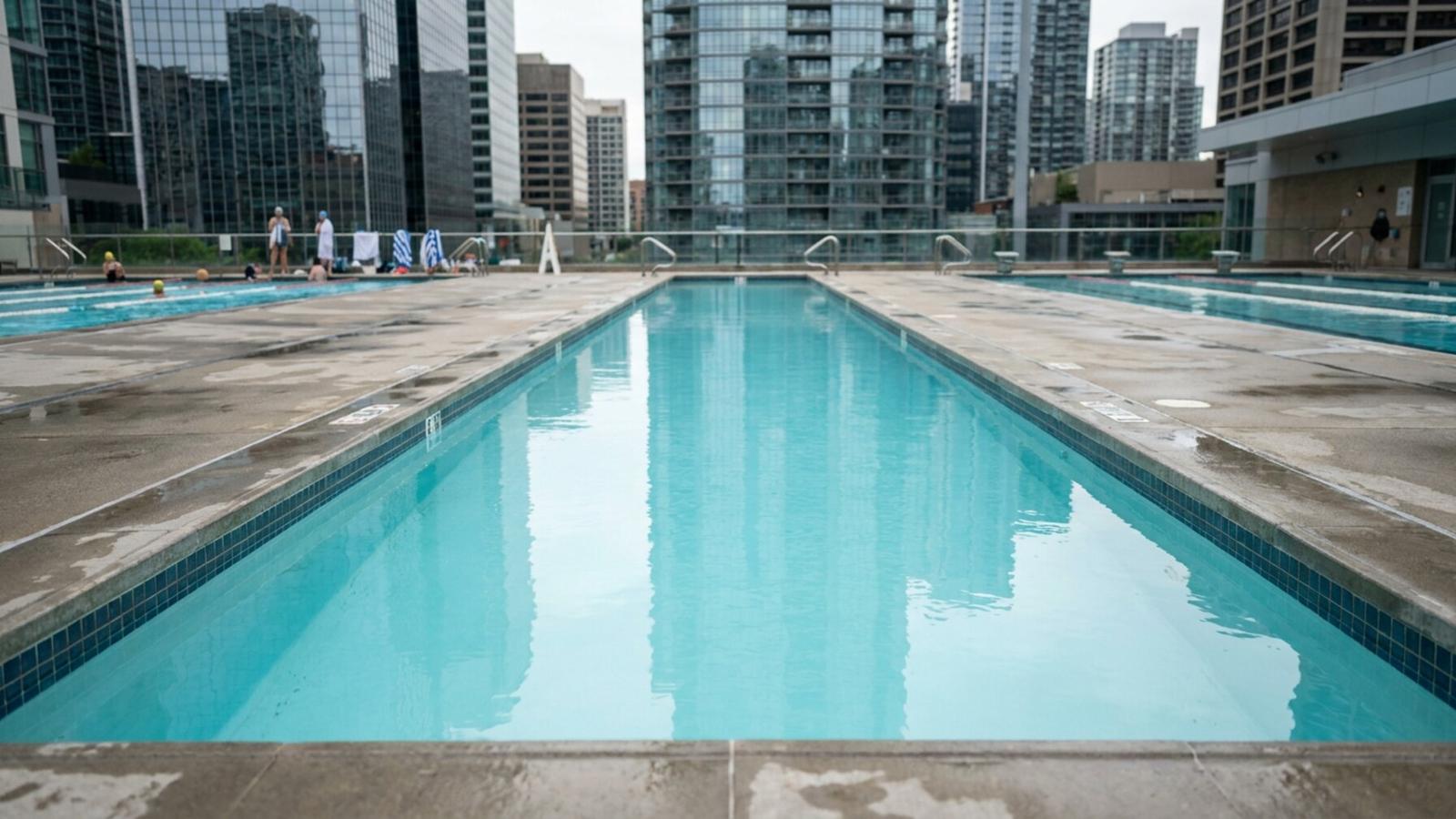
The thermometer hit 34°C on the corner of Exchange Boulevard and Meridian Street last Tuesday, and by noon the line outside Core Provisions, the wellness café on Lower Arcade Row, stretched past the bus shelter. Everyone wanted something cold. Not everyone was making the smartest choice.
Mid-summer in Downtown Core arrives fast and stays long. Humidity averages above 65 percent through July and August, according to the municipal climate monitoring station at Centrepoint Plaza, and urban heat trapped between the district's glass-and-steel towers pushes the real-feel temperature several degrees higher than posted forecasts. For the roughly 85,000 people who live, work, and exercise in the Core, that thermal pressure creates a genuine physiological challenge, one that the wellness community here has started taking seriously in a way it simply didn't five years ago.
The basic math is unforgiving. The human body loses between 0.5 and 1.5 litres of fluid per hour during moderate outdoor exercise in hot conditions, and office workers sedentary in air-conditioned buildings still shed roughly 2 litres across a working day through breath and passive sweating. The National Academy of Medicine's general guidance, 3.7 litres daily for adult men, 2.7 litres for adult women from all food and fluid combined, was calculated for temperate conditions. Local sports medicine practitioners at the Core Athletic Health Centre on Vantage Street consistently advise upward adjustments of 500-750 millilitres on days above 30°C, particularly for people commuting on foot or cycling along the Riverside Greenway.
What the downtown wellness scene is actually pushing
Plain water remains the benchmark. Full stop. But the proliferation of functional beverages in the Core's café economy, electrolyte sodas at $6.50 a can, adaptogen shots at $9, coconut water blends at $7.80, has complicated the conversation. Most of these products have legitimate uses in specific circumstances and dubious value in others.
Electrolyte replacement genuinely matters after sustained sweat loss exceeding about one litre, roughly 45 minutes of hard running along the Greenway in July heat, or a lunchtime gym session at places like District Fitness on Harbour Cross Lane. For casual daily hydration, plain water or water with a squeeze of citrus does the job at a fraction of the cost. The sodium, potassium, and magnesium in a $6.50 electrolyte soda are largely unnecessary if you've eaten a normal meal and haven't been sweating hard.
Caffeine complicates things. Downtown Core runs on coffee, the strip between Commerce Court and the Old Financial Quarter has 23 independent espresso bars within a 400-metre stretch, and the mild diuretic effect of caffeine at typical consumption levels is real but modest. Drinking two or three coffees before 2 p.m. does not require dramatic compensatory water intake, but adding a glass of water alongside each cup is a reasonable and easy habit.
Alcohol is the hidden variable. Long summer evenings on the rooftop bars along Pier 9 Drive accelerate dehydration sharply. A single standard drink increases urine output measurably, and the hangover headache familiar to anyone who has attended a Friday work function at Harbour Social is almost entirely a dehydration symptom. Alternating alcoholic drinks with water, one-for-one, is the advice that local practitioners give most frequently and that most people follow least.
Building a practical routine for Core residents
The simplest evidence-based approach starts with 500 millilitres of water before leaving home each morning, and another 500 millilitres before any outdoor activity. Urine colour remains the most accessible monitoring tool: pale straw is adequate; darker than apple juice signals a deficit. The Core Wellbeing Hub on Station Precinct Road runs a free Wednesday-morning hydration education drop-in through July and August as part of its Summer Ready program, no appointment needed, and it's genuinely practical rather than a sales pitch for branded supplements.
Food counts more than most people realise. Cucumbers, watermelon, tomatoes, and leafy greens, all available fresh daily at the Southgate Market on Wharf Street, contribute meaningfully to fluid intake. Diets heavy in processed foods, which are high in sodium and low in water content, increase the volume of plain water required to stay balanced.
Anyone managing a chronic health condition, or noticing persistent fatigue, headaches, or muscle cramps during the summer months, should speak with a local medical professional before changing their routine significantly. The Core has the resources; the key is actually using them.