wellness
Small Habits, Stronger Minds: How Distillery District Residents Are Building Psychological Resilience One Day at a Time
Forget the weekend wellness retreat, the science says five minutes a day beats five hours once a month.
How we reported this
The cobblestones of Tank House Lane see a lot of foot traffic on a Saturday morning. Dog walkers. Coffee runners. A few bleary-eyed newcomers navigating their first Distillery District weekend. What's harder to spot, but increasingly common, is the quieter ritual: the person sitting alone on a bench near the Boiler House, phone face-down, eyes up, doing what researchers now call a "micro-recovery moment." No app required. No subscription. Just a conscious pause.
Mental health professionals have been making this case for years, but momentum behind the idea of small, daily stress-management habits has grown sharply through 2025 and into this year. The appeal is simple: large-scale interventions are expensive and time-consuming, and many people abandon them. Tiny, repeatable habits cost almost nothing and stack up over weeks into measurable psychological change.
Why the District Is a Surprisingly Good Laboratory
The Distillery District's particular mix of historic industrial architecture, café culture, independent studios, and working creative professionals makes it an interesting place to watch this play out. The neighbourhood isn't a quiet suburb. There are event weekends, tourist surges, noise from construction along Cherry Street, and the ambient pressure that comes with living cheek-by-jowl with small businesses trying to stay afloat. Stress here is real and specific.
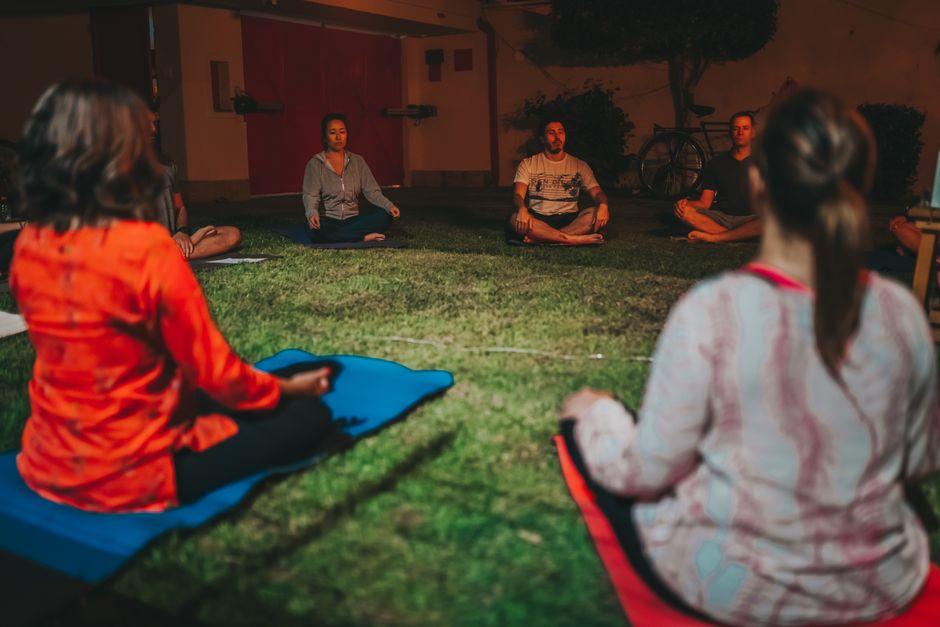
Two local organisations have been quietly building programming around the micro-habit framework. The Artscape Distillery Studios, which houses more than 165 artist tenants in the heritage complex, has incorporated optional ten-minute guided breathing sessions into its communal programming calendar on Tuesdays and Thursdays, timed to run just before the mid-morning work block. The sessions are free for tenants and have been running since January 2026. Separately, Balzac's Coffee Roasters on Trinity Street has partnered with a local mindfulness instructor to post a weekly "one-minute reset" card on its counter, a laminated prompt card with a single breathing or grounding exercise that changes every Monday. It costs nothing to pick up.
These aren't grand wellness programs. That's the point. Research published in the journal Clinical Psychological Science has found that brief, consistent interventions, as short as five minutes daily, can produce statistically significant reductions in perceived stress over an eight-week period. The key variable isn't duration. It's regularity.
The Habits That Actually Stick
Mental health researchers generally point to a cluster of low-barrier habits that have the strongest evidence base for resilience-building. Three-minute journaling, writing down one worry and one thing that went well, has been linked to reduced rumination. A ten-minute walk taken deliberately, without earphones, activates what neurologists call "soft fascination," the low-level sensory engagement that lets the prefrontal cortex settle. The brick laneways between Parliament Street and Gristmill Lane in the District are, by any measure, a good place to do this.
Sleep consistency matters more than sleep duration, according to work from the American Academy of Sleep Medicine, going to bed and waking at the same time daily, including weekends, stabilises cortisol rhythms in ways that affect mood stability throughout the following day. And social micro-connections, a genuine thirty-second conversation with a barista or a neighbour, have been shown to reduce loneliness markers even when the exchange involves no personal disclosure at all.
The practical advice is unglamorous but solid: pick one habit, not five. Attach it to something you already do every morning. Give it four weeks before judging whether it's working. If you're in the District, the Tuesday sessions at Artscape run from 10:00 a.m. and require no prior registration for current tenants. Balzac's prompt cards are available during regular café hours.
For anyone finding stress tipping into something heavier, persistent anxiety, low mood that doesn't lift, disrupted sleep lasting more than two or three weeks, the right move is a conversation with a local GP or registered psychologist, not another habit stack. The small habits are maintenance. They're not treatment. Knowing the difference is itself a form of resilience.