wellness
Mindfulness in Schools: What Local Programs Are Available in the Distillery District
From classroom breathing exercises to dedicated meditation periods, schools near the old brick laneways are quietly changing how kids handle stress.
How we reported this
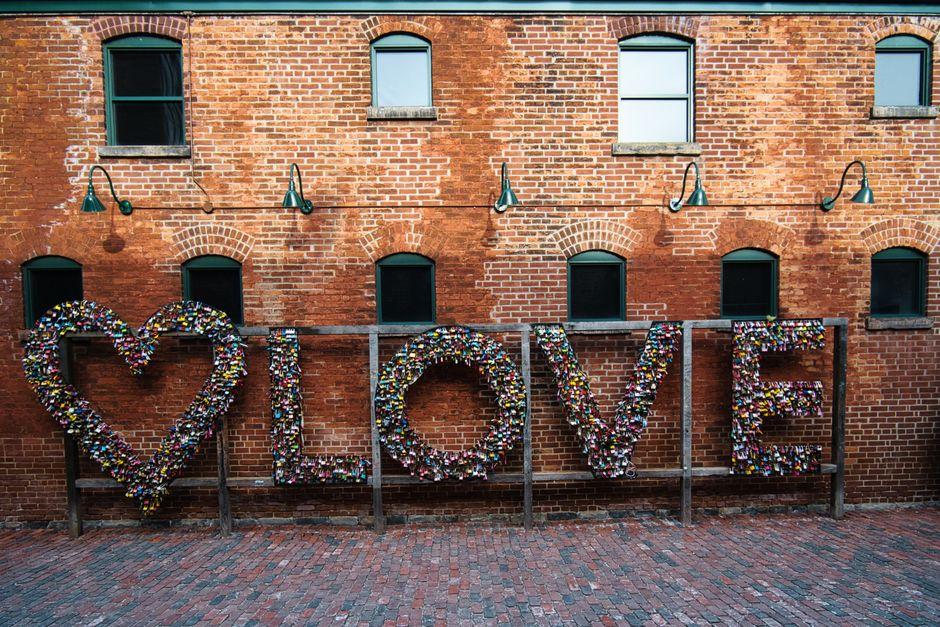
Three schools within walking distance of Tank House Lane are now offering structured mindfulness programs during the regular school day, a shift that reflects both growing parental demand and a broader push by wellness educators to get meditation out of yoga studios and into classrooms where children spend most of their waking hours.
The timing is not accidental. Child and adolescent mental health practitioners across North America have been sounding alarms about anxiety rates in the under-12 set for several years running, and families in dense urban neighbourhoods like the Distillery District, where apartment living, screen time, and academic pressure compound daily, have started asking schools directly what they are doing about it. The answer, increasingly, is: quite a lot.
What's Actually Happening in Local Classrooms
The Distillery District's proximity to Corktown and the St. Lawrence neighbourhood means a cluster of schools, including those along Cherry Street and in the Parliament Street corridor, draw students from some of the city's most economically mixed households. That diversity matters when designing wellness programs, because what works for one family's schedule and belief system does not automatically translate for another.
One of the more established initiatives is the MindUP curriculum, developed by the Goldie Hawn Foundation, which has been adopted by several Toronto District School Board classrooms in the area. MindUP structures mindfulness into 15-minute daily sessions built around neuroscience basics, students learn what the prefrontal cortex does before they practice focused breathing, which teachers report makes the exercises feel less abstract. The program has been running in some form in Ontario classrooms since the mid-2010s.
Separately, the Inner Explorer audio-guided program has been piloted in at least two schools within a short walk of the Distillery's historic courtyard, offering five-minute guided audio sessions that classroom teachers can run without specialist training. The sessions cost schools in the range of $300 to $500 USD annually for a full-school licence, a price point that many administrators say is feasible even on tight discretionary budgets.
Community organisations are filling gaps the formal school system leaves open. Corktown Yoga, on King Street East, has offered educator workshops since 2024 designed to help classroom teachers lead basic breathwork without needing a yoga certification. The workshops run in short Saturday-morning blocks and have attracted staff from both public and Catholic school boards.
What the Evidence Says, and What Parents Should Ask
A 2023 meta-analysis published in the journal Psychological Bulletin, reviewing data from 36 school-based mindfulness trials across North America and Europe, found that structured programs delivered at least three times per week produced measurable reductions in self-reported anxiety among students aged 8 to 14. The effect sizes were modest but consistent. Researchers flagged that fidelity to the curriculum mattered enormously; a program run sporadically by an untrained teacher produced far weaker results than the same program delivered with regularity.
That caveat is worth holding onto. Parent councils in the King-Parliament area have started asking specific questions at school council meetings: How many minutes per week? Who is leading sessions? Is there training documentation? Those are exactly the right questions, according to the researchers behind the Psychological Bulletin review.
For families who want to supplement whatever the school provides, the Young Urban Zen drop-in program at the Distillery's Artscape Wychwood-affiliated pop-up space runs sessions for children aged 7 to 12 on the first Saturday of each month, $10 per child, no registration required. The next session falls on August 1, 2026.
The practical advice here is straightforward: contact your school's parent council or vice-principal before September to ask which, if any, mindfulness curriculum is embedded in the 2026-27 timetable. Schools that have invested in training are generally proud to say so. Those that haven't may be more open to the conversation than you expect, especially if a few parents are asking the same question at once. As always, consult a local medical professional before making decisions about any child's mental health support needs.