wellness
Outdoor Boot Camps Transform Distillery District Streets Into Fitness Hubs
Group fitness has moved out of the gym and into the cobblestones, here's everything you need to know before you show up.
How we reported this
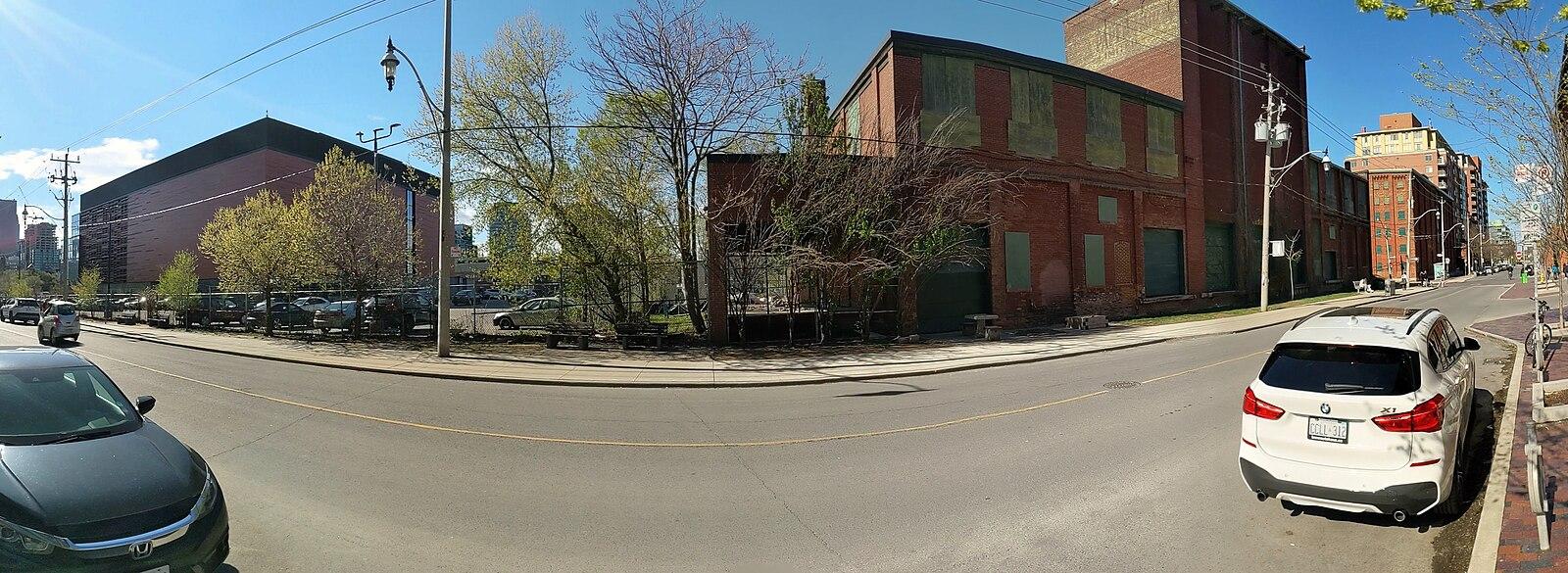
Outdoor boot camps are filling Distillery District's open spaces every morning before 8 a.m. What was once a fringe workout format, associated with military-style shouting and burpees in the rain, has become the neighbourhood's fastest-growing fitness category, with session numbers up roughly 40 percent since January according to local fitness operators tracking enrolments across the area.
The timing is not accidental. With gym memberships in the District averaging $85 to $110 a month and studio fitness classes running $28 to $35 a drop-in, outdoor group sessions, typically priced between $12 and $20 per class, offer a measurable cost difference. Against a backdrop of rising household costs, that gap matters to people budgeting carefully. Community fitness, it turns out, is recession-adjacent in the best possible way.
Where the Sessions Are Happening
The bulk of the action is concentrated along the Corktown Commons greenway and the open lawn area near the old Rack House on Trinity Street. Corktown Commons in particular has become ground zero for early-morning sweat, with at least four distinct operator groups claiming turf on weekday mornings. Trinity Fitness Collective, a local independent program that launched in March 2026, runs Tuesday and Thursday sessions starting at 6:30 a.m. and caps groups at 16 participants to keep coaching personal. A second program, District Strong, operates Saturday mornings and draws crowds that regularly hit 30 people, a figure that forces instructors to use radio-linked earpieces so the back row can actually hear cues.
The format varies more than you might expect. Some sessions lean heavily on bodyweight circuits: push-ups, squat variations, lunges, plank holds, timed sprints between lamppost markers. Others incorporate resistance bands, sandbags, or kettlebells carried in from a nearby storage unit on Parliament Street. A handful of operators have added short mobility and cool-down sequences drawn from physiotherapy protocols, a shift away from the old finish-and-flee model. The average session runs 45 to 55 minutes.
What does not vary much is the culture. Participants consistently describe an absence of the competitive anxiety that haunts certain indoor gym environments. Newcomers are not ranked against veterans. The outdoor setting, open sky, ambient noise, the smell of the canal on a humid July morning, seems to lower social stakes in ways that enclosed spaces do not.
What to Bring, What to Expect
First-timers should plan for the cobblestones. The Distillery District's heritage brick and stone surfaces are beautiful and genuinely punishing on ankles during lateral movements. Trainers running sessions near the Rack House consistently recommend trail runners or cross-training shoes over standard road running shoes. Bring your own mat if floor work is on the schedule, operators rarely supply them at this price point, and carry at minimum 750ml of water. July mornings here are warm and humid by 7 a.m.
Intensity levels differ by program, so it's worth messaging the operator before showing up. Trinity Fitness Collective describes its sessions as intermediate, meaning participants should be comfortable jogging 2 kilometres without stopping. District Strong explicitly welcomes beginners and structures its Saturday program in tiers, pairing first-timers with a modified track. If you have a specific injury or chronic condition, speak with your GP or a sports physiotherapist before joining any high-intensity group program, local practitioners at the Distillery District Physiotherapy clinic on Cherry Street offer movement assessments that can take some of the guesswork out of a first session.
The program calendar through July is already filling. Trinity Fitness Collective has a waitlist for its Thursday 6:30 a.m. slot. District Strong opens bookings for August sessions on July 14. If community fitness continues at its current growth rate, finding open spots by September without pre-registering will require some luck. Show up once, though, and most people seem to keep coming back, which, in the end, is the only metric that matters.