property
First-Time Buyers in The Beaches Race to Save for $1.1M Homes
With entry-level homes on streets like Hammersmith Avenue and Glen Manor Drive pushing past $1.1 million, brokers and grant advisors say the window to act is narrowing, but a clear savings strategy can still get buyers in.
How we reported this
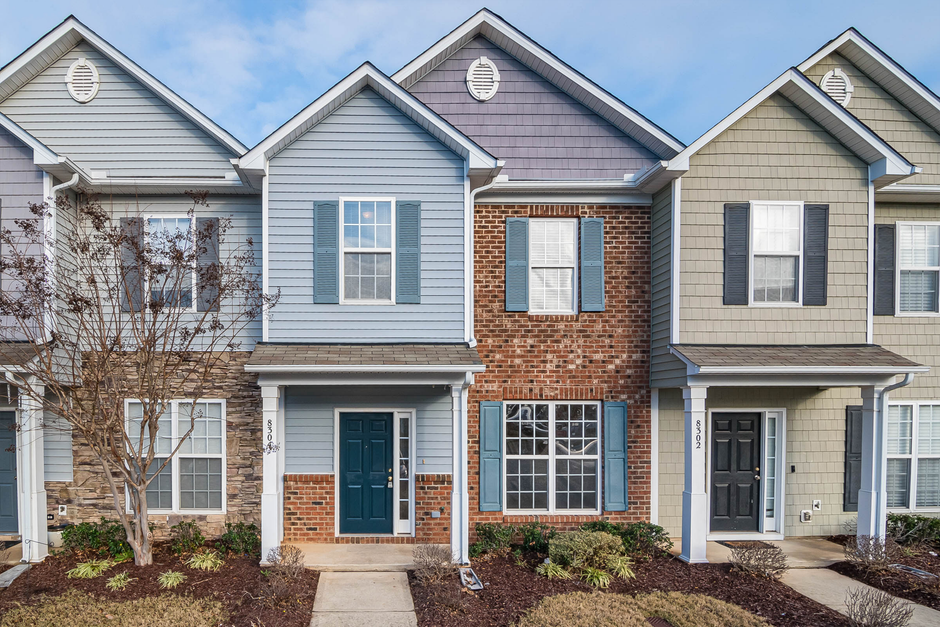
The median price for a detached home in The Beaches crossed $1.08 million in June 2026, according to figures from the Toronto Regional Real Estate Board, meaning a buyer targeting a 20 percent down payment now needs to set aside roughly $216,000 before they even think about closing costs. For first-time buyers watching that number climb, the math has started to feel impossible. It doesn't have to be.
The pressure is sharper than it was even eighteen months ago. A semi-detached on Wineva Avenue that sold for $940,000 in December 2024 just changed hands again this past May for $1.03 million. Wages have not kept pace. That gap, between what people earn and what a deposit requires, is exactly why provincial and federal programs designed for first-time buyers deserve a hard look right now, not after another year of watching prices drift upward.
Programs That Actually Move the Needle
The federal First Home Savings Account, introduced in April 2023, remains one of the most underused tools available. Buyers can contribute up to $8,000 a year, deduct it from taxable income, and withdraw it tax-free for a qualifying purchase. Maxing out contributions for three years produces $24,000 in savings, and, depending on income bracket, can return $3,000 to $5,000 in annual tax refunds that get recycled straight back into the account. The Beach Village BIA has partnered with two local credit unions on Queen Street East, including the Beaches branch of Meridian Credit Union near Woodbine Avenue, to run free drop-in sessions on combining the FHSA with Ontario's Land Transfer Tax Refund, which rebates up to $4,000 for eligible first-time buyers on provincial tax alone. Toronto's own municipal land transfer tax refund adds another $4,475 maximum on top of that.
Stack those two rebates against an FHSA and the effective cost of entry drops by close to $13,000 on a typical Beaches purchase. That is not insignificant. Buyers who also qualify for the federal First-Time Home Buyers' Tax Credit can claim a further $1,500 after closing. None of these programs require buyers to jump through unusual hoops, they require paperwork, timing, and knowing the deadlines.
Saving Faster Means Spending Differently on the Hunt
The practical reality for most buyers in this neighbourhood is that the deposit accumulation phase needs to be treated like a second job. Financial planners working out of offices along Kingston Road consistently point buyers toward automating transfers into a dedicated FHSA on payday, even $500 biweekly builds to $13,000 in a year before the tax return arrives. Renting in adjacent neighbourhoods like Upper Beach or Woodbine Corridor, where a two-bedroom apartment averages around $2,450 a month compared to $2,800 closer to the lake, can free up an additional $4,200 annually that goes directly toward the deposit target.
Buyers should also schedule a conversation with a mortgage broker before they start seriously touring open houses. Pre-approval letters have a shelf life, typically 90 to 120 days, and locking in a rate hold during a period when the Bank of Canada's overnight rate sits at 2.75 percent, as it does this July, protects against movement while the savings plan runs its final stretch. The Beaches branch of RBC on Queen Street East near Beech Avenue offers dedicated first-time buyer appointments on Saturday mornings; Meridian's Queen East location does the same on Wednesdays.
The broader picture, with cost-of-living pressure felt across most major North American cities this summer, means The Beaches is not uniquely hostile to first-time buyers, but it is competitive. Entry-level condos in the neighbourhood start around $620,000, and a 10 percent deposit on those, combined with CMHC mortgage default insurance, remains a more realistic near-term target for buyers who started saving in 2024 or later. The grant money is on the table. The savings accounts are open. The work is in using them systematically, not waiting for the market to soften on its own.
This article is general information only and is not personal financial or investment advice. Consider your own circumstances and seek licensed professional advice before making financial decisions.