property
Council Planning Changes Set to Reshape Density and Design in the Distillery District
New bylaws approved this week could spark a significant shift in neighbourhood scale and architectural style across the Distillery District.
How we reported this
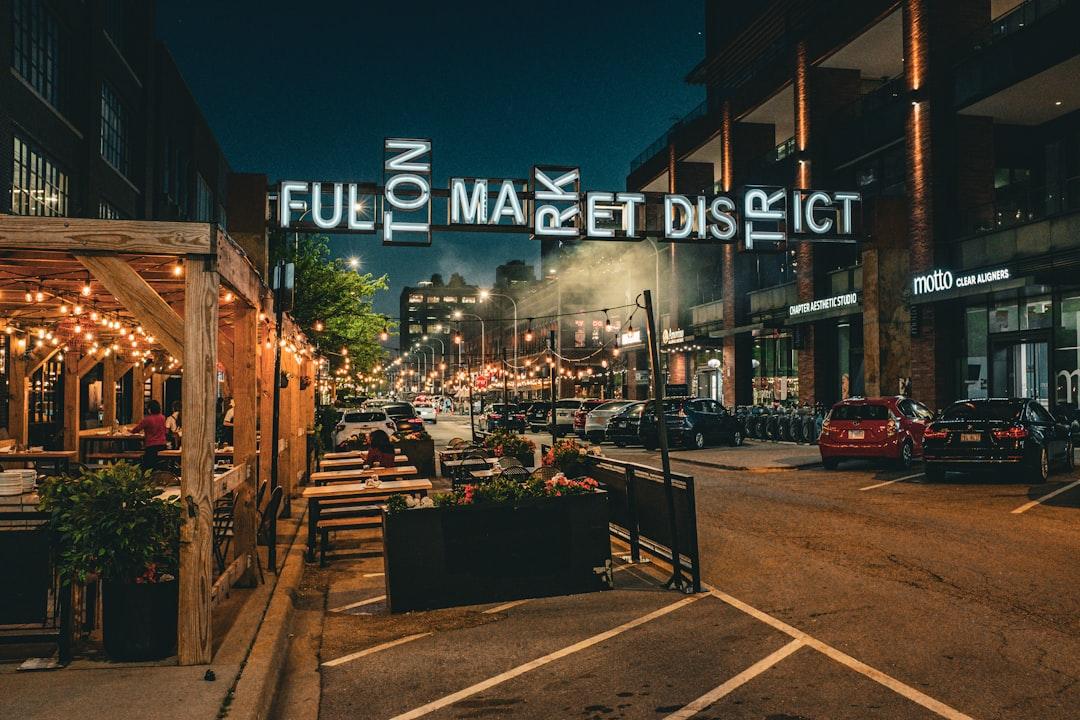
Developers and residents in Toronto's Distillery District are bracing for a wave of changes after City Council formally adopted sweeping revisions to planning bylaws this week, targeting building density and design standards along Cherry Street and Parliament Street.
The council’s decision lands at a time of mounting pressure to address both housing affordability and neighbourhood character. Planners claim the new policies will open the door to mid-rise apartment projects and mixed-use retail space, refocusing attention on heritage corridors like Mill Street. Observers say the balance between new supply and historic preservation is at a tipping point as the district’s popularity surges.
From Loft Conversions to Tower Controversies
The Distillery District-a national historic site known for its brick Victorian-era warehouses-has long attracted creative redevelopment. Over the last decade, empty lofts have given way to several prominent condominium projects. Case in point: the 32-storey Clear Spirit Tower on Mill Street, which drew sharp debate from neighbours and the non-profit Distillery District Heritage Trust during consultation. The new council changes, outlined in the July 3 policy document, now loosen height restrictions for blocks west of Cherry Street, provided developers meet expanded requirements for parks, retail frontage, and public access.
Developments such as the Gooderham building and the nascent Trinity Square project will fall directly under the new framework, making them bellwethers for future applications. Area councillor portfolios indicate that the amendments specifically remove older cap-and-trade formulas on density, swapping them for a tiered bonus system. This means mid-rise zones along Front Street East are likely to see a rise in applications for 6- to 12-storey proposals in the coming months.
What the Numbers Say
According to the city’s June 2026 Development Activity Snapshot, housing approvals in the wider Toronto core rose to 5,780 new units-a 9% increase year-on-year-but the Distillery District itself accounted for only 160 of those units, reflecting stiff opposition to tall buildings near heritage façades. Council data shows that average condo prices in the district exceeded $1.1 million as of May, with vacancy rates holding below 2%. Proponents of the bylaw updates argue these figures underscore the urgency to unlock further supply without undermining historic character.
Local advocates, including the Distillery District Residents Association and Toronto Urban Planners Network, plan to monitor how upcoming projects-such as the reimagining of the former Rack House D site-apply the new guidelines. The City Planning Division confirmed that all permit applicants after July 8 must submit new shadow, wind, and heritage impact studies, adding several weeks to typical approval timelines, but potentially smoothing neighbourhood relations down the line.
Residents and developers can expect the city to release detailed design guidance by September, with updated online application forms to follow on the Invest Toronto portal. Those seeking feedback or status updates are encouraged to attend the next Community Council meeting at 125 The Esplanade on July 15 or consult the official planning framework published on July 3.
This article is general information only and is not personal financial or investment advice. Consider your own circumstances and seek licensed professional advice before making financial decisions.