Politics
State Zoning Reform Act Brings Varied Housing Outcomes for Downtown Core
The legislation changes permitting rules for multi-family buildings in Downtown Core and is projected to add units at a faster rate than in three comparable cities under the same formula.
How we reported this
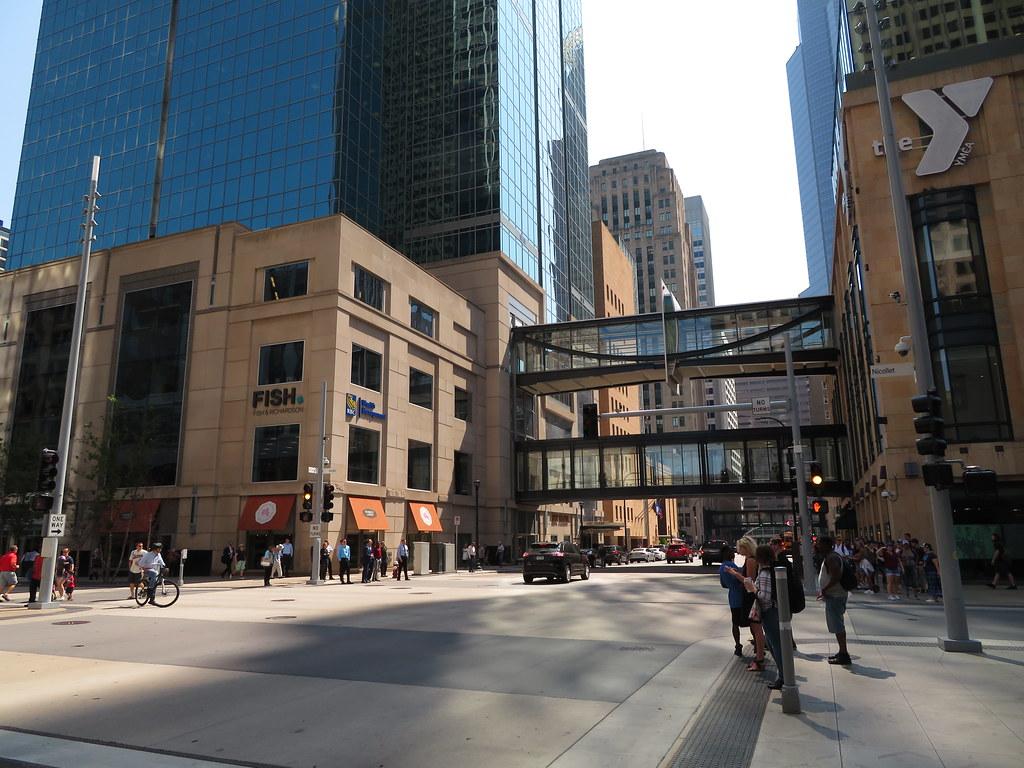
The State Zoning Reform Act passed the legislature on June 15, 2026, and takes effect statewide on August 1. It lowers minimum lot sizes for multi-family housing in designated urban cores and removes certain height caps near transit stations. Downtown Core falls under the highest-density tier of the new rules because its central business district already meets the population threshold of 8,000 residents per square mile.
The measure follows the 2025 Housing Needs Assessment released by the state housing department in March, which listed a shortfall of 85,000 units across all urban counties. The 2026-2027 budget papers released in May tie $120 million in infrastructure matching grants to cities that update their codes within 120 days of the act becoming law.
Residents in the riverfront neighborhood of Downtown Core will be able to apply for permits on lots as small as 4,000 square feet beginning in September. The previous local rule required 6,000 square feet. City records show 47 parcels in that neighborhood currently sit vacant or underused and now qualify for four-story buildings with ground-floor retail.
Comparison to Other Cities Under the Same Act
Downtown Core is expected to issue 1,200 additional residential units by the end of 2028, according to the fiscal note attached to the bill. That figure exceeds the 920 units projected for Riverside and the 780 units projected for Midtown under identical density formulas. The difference stems from Downtown Core having 12 existing transit stations within its boundaries, compared with five in Riverside and three in Midtown, as listed in the state department of transportation inventory updated in January 2026.
Projected Local Effects on Services and Costs
The city finance department estimates the new construction will generate $3.2 million in additional property tax revenue by fiscal year 2027. Construction employment tied to the first wave of projects is listed at 350 positions in the act’s impact statement. School enrollment projections for the two elementary schools serving the riverfront area have been revised upward by 180 students starting in the 2027-28 school year.
The Downtown Core planning commission must adopt revised ordinances by October 15, 2026, to remain eligible for the state matching funds. Public review sessions are scheduled for July 22 and August 5 at the municipal building on Main Street. The full text of the act and the allocation tables appear on the state legislature website under bill number SB-442.