Politics
Distillery District Candidates Face Scrutiny Over Housing and Services Ahead of Local Vote
Community groups and policy analysts are pressing candidates on specific spending commitments before residents cast ballots in the upcoming local election cycle.
How we reported this
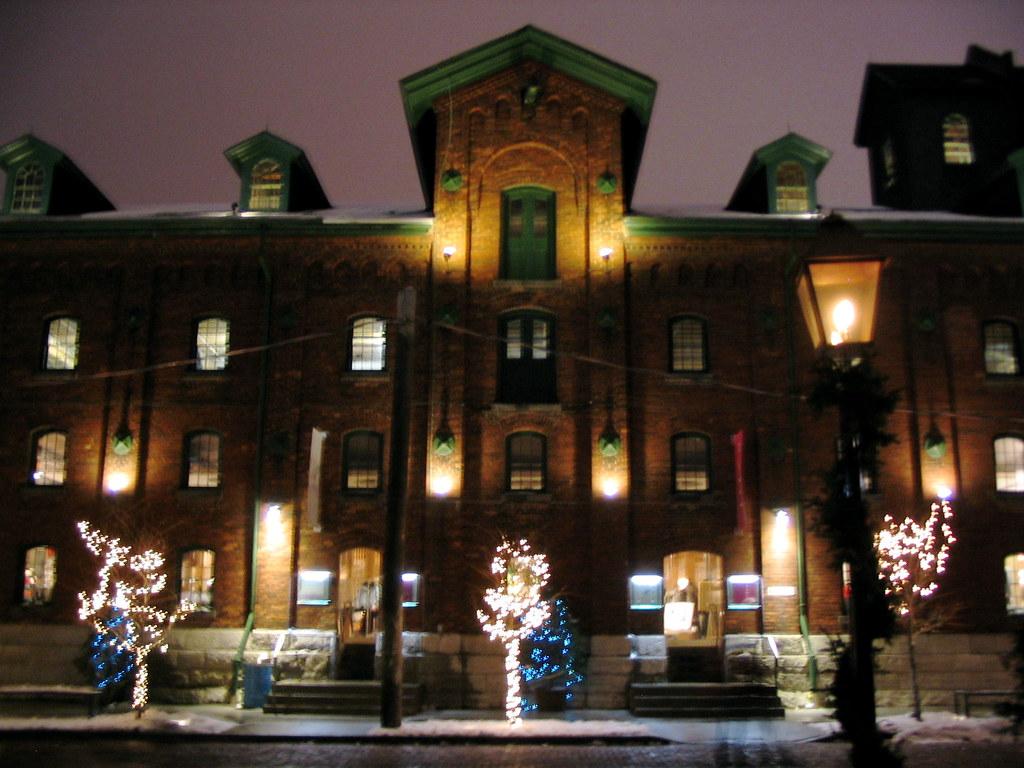
With local elections approaching, residents across the Distillery District are hearing a familiar mix of promises and platforms from candidates seeking council seats. But community organisations and policy analysts say this cycle feels different. A sustained squeeze on municipal budgets, combined with unresolved questions about heritage zoning, pedestrian infrastructure and short-term rental regulation, has pushed voters to demand specifics rather than slogans. Local advocacy groups say candidates who cannot name a dollar figure or a bylaw reference are getting a harder reception at community meetings than in previous years.
The shift in voter temperament reflects broader pressures that have accumulated since the district's last election. Foot traffic through the neighbourhood's commercial core has rebounded, yet local business owners report that rising commercial property assessments are eating into margins. Residents in the laneway housing units east of Parliament Street say maintenance response times from the relevant municipal department have lengthened. Policy analysts note that these are structural issues tied to how local operating budgets are allocated, not problems a single candidate can solve unilaterally, which makes the question of council coalition-building unusually relevant this time around.
What Candidates Are Being Asked to Address
Three policy areas dominate the questions being raised at candidate forums organised by the Distillery District Residents Association and the St. Lawrence Neighbourhood Association. First is the application of the city's short-term rental licensing framework, which requires operators to list only their principal residence but which local advocates say remains inconsistently enforced in the district. Second is the status of the Lower Don Lands environmental remediation schedule, a project with a publicly documented multi-year capital commitment that affects future parkland and flood protection for thousands of residents in adjacent postcodes. Third is transit frequency on the 504 King streetcar corridor, which the transit authority's own 2025 service plan flagged as operating below its target headway during peak hours.
Policy analysts who track municipal elections say voter engagement tends to rise when candidates are asked to connect their positions to specific line items in the capital or operating budget. The city's 2026 approved operating budget allocated roughly 44 percent of net expenditure to Toronto Community Housing and shelter services, figures that directly affect how much discretionary capacity remains for neighbourhood-level infrastructure requests. Candidates who can speak to how those top-line pressures filter down to the Distillery District ward are drawing more substantive engagement, according to observers who attended two candidate events held in June.
How Residents Can Evaluate What They Are Hearing
Community voices emphasise several practical steps for residents assessing candidate commitments before voting day. The city's open data portal publishes ward-level capital project tracking, which allows anyone to verify whether a candidate's claimed priority is already funded, unfunded, or deferred. The municipal clerk's office maintains a public registry of candidate financial disclosures, and contribution limits under the Municipal Elections Act cap individual donations at $1,200, a figure that shapes how campaigns are funded and which interest groups can mobilise resources behind particular candidates.
Local experts also point to the timing of any post-election council committee appointments as a concrete early indicator of whether a newly elected representative will have meaningful influence over the files residents care about. A seat on the Planning and Housing Committee, for example, directly affects decisions on heritage designation applications in the district, several of which are currently in process. A seat on the Infrastructure and Environment Committee touches the Lower Don Lands file. Residents are being encouraged by neighbourhood associations to ask candidates which committees they intend to seek and why.
Voting in the next local cycle is expected to follow the established municipal calendar, with candidate registration deadlines and advance polling dates set to be confirmed by the city clerk's office later this summer. Residents with questions about eligibility or polling locations can contact the clerk's office directly or consult the city's official elections portal. Community groups say they plan to circulate a written questionnaire to all registered candidates in the relevant ward before the registration period closes, with responses to be published on the residents association website for public review.