lifestyle
Annex Residents Cut Carbon Footprints With Five Simple Changes
How residents can reduce their environmental footprint through simple, evidence-based adjustments to daily habits and home management.
How we reported this
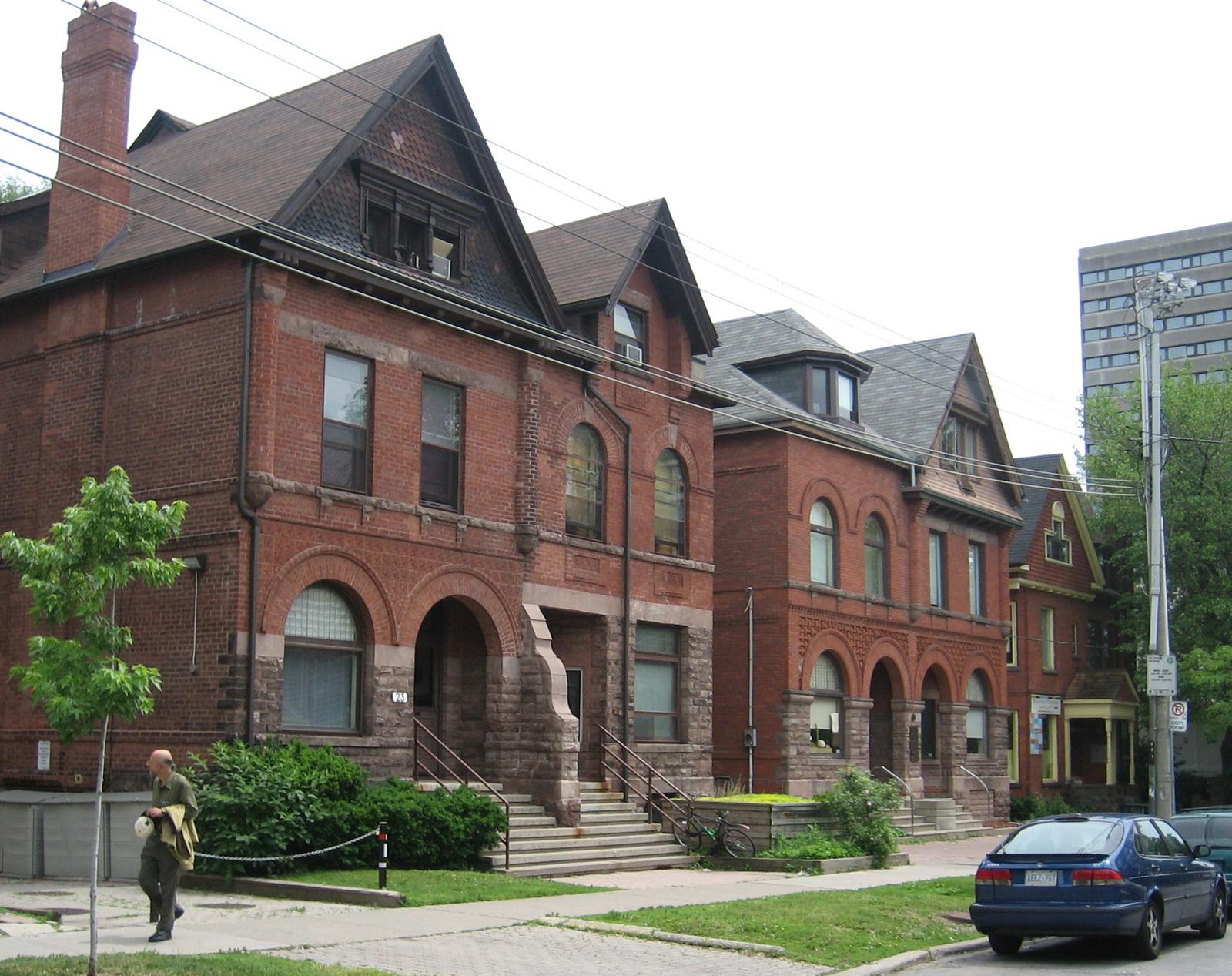
Sustainable living is becoming a priority for residents across The Annex, as many look for actionable ways to reduce their environmental footprint and lower their annual household costs. Adopting eco-friendly habits, from energy management to mindful consumption, provides a clear path for those seeking to make their daily lives more sustainable.
Energy Efficiency and Climate Control
One of the most effective ways to manage home energy usage is by adjusting the thermostat. According to research, simply moving the thermostat setting by 7-10 degrees for 8 hours each day can save residents up to 10% on their annual energy bills. This practice not only assists in personal cost management but also helps in reducing one's overall carbon footprint. By integrating these small, consistent changes into a daily routine, households can achieve significant efficiency gains without major renovations.
Conscious Material Choices
The materials we choose to bring into our homes significantly impact waste production. Switching from synthetic materials like polyester or nylon to natural fabrics, such as wool, cotton, and linen, is a recommended strategy to avoid materials that take decades to decompose. Beyond textiles, rethinking personal care products is another effective method to eliminate the reliance on tough-to-recycle plastic tubes and packaging. Incorporating items such as bar soap, shampoo bars, bamboo toothbrushes, and toothpaste tablets helps transition toward a more sustainable and less wasteful lifestyle.
Sustainable Habits in the Home
Beyond material choices, daily household management offers several opportunities for improvement. For residents tending to outdoor spaces, replacing traditional turf with low-water groundcovers or scheduling garden irrigation for the early morning hours can help conserve water. These practices address the long-term need for water efficiency in a changing climate. Furthermore, adopting habits like composting kitchen waste, prioritizing secondhand shopping, and increasing the frequency of plant-based meals are recognized as fast wins for those aiming to live more sustainably. These actions are straightforward to implement and represent meaningful steps toward reducing the environmental impact of a modern lifestyle.
Produced with AI assistance and reviewed against our editorial standards. Sources are linked where available. Spotted an error or need a correction? Contact corrections@dailynetwork.news.
References Sourced but Not Limited to:
- sustainableinthesuburbs.com · 50 ways to be more sustainable
- homedepot.com · How to make a home more sustainable
- fmb.org.uk · 10 ways to make your home more sustainable
- extraspace.com · Green tips for a sustainable lifestyle
- extraspace.com · Tips for sustainable living in new year
- greenmatch.co.uk · How to be more eco friendly