culture
Explore Toronto's Distillery District: Victorian architecture, galleries, year-round markets
From Victorian industrial architecture to year-round cultural programming, here's how to experience one of Canada's most distinctive pedestrian-only neighbourhoods.
How we reported this
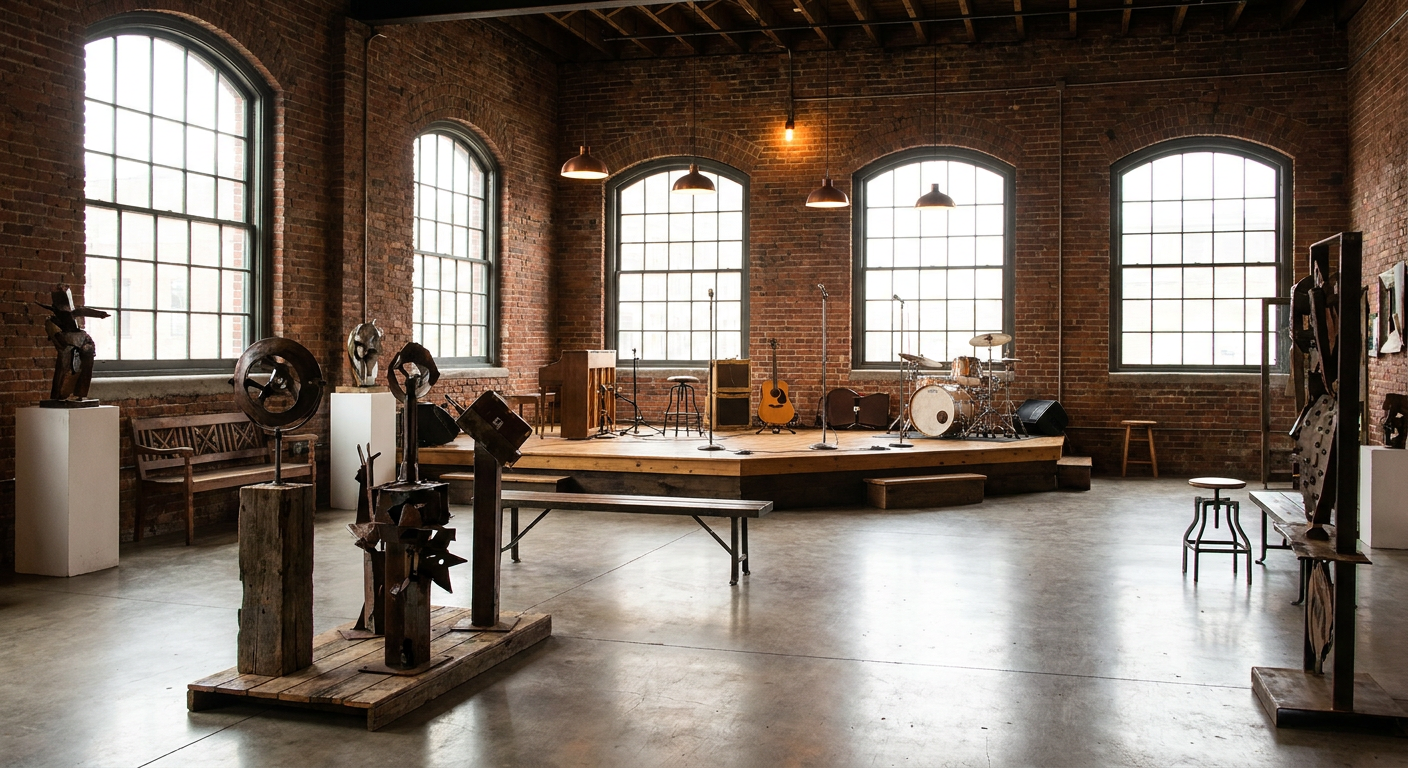
Toronto's Distillery District draws visitors from across the city and beyond for a reason: it's a 13-acre pedestrian-only village that preserves the largest collection of Victorian-era industrial architecture in North America. More than 40 heritage buildings, all original to the site, line the cobblestone laneways, making it one of the most intact 19th-century industrial complexes on the continent.
Designated a National Historic Site of Canada in 1988, the district sits east of downtown near the waterfront. Its story begins in 1832, when the Gooderham & Worts Distillery was founded on the site. At its peak, the distillery produced over 2.5 million gallons of whiskey annually, making it the largest distillery in the British Empire. That industrial chapter closed in 1990, when distilling operations ended and the site fell quiet for more than a decade.
A $100 million restoration transformed the property before it reopened as a cultural destination on May 22, 2003. Today it functions as Canada's premier arts, culture and entertainment hub, a title that rests on real programming, not just architecture.
Heritage architecture and self-guided walks
The district's greatest asset is its setting. The Victorian industrial buildings, red-brick warehouses, stone beam houses, tall chimney stacks, have been preserved rather than gutted and replaced. Walking the laneways means passing structures that once held fermenting vats, cooperages and bottling lines. The site's original layout as a self-contained factory village remains legible: narrow alleys, courtyards and loading docks now lead to galleries and cafes rather than whiskey vats.
Visitors can explore the district on their own; there is no admission fee to enter the pedestrian zone. The compact 13-acre footprint means it is easy to cover in an afternoon, with enough density of detail, original signage, ironwork, cobblestones, to reward a slow pace.
Art galleries and performance spaces
The district has become a concentration of Toronto's visual and performing arts scene. Several contemporary art galleries operate from the heritage buildings, alongside artist studios and project spaces. Performance venues within the district host theatre, dance, live music and spoken word throughout the year, although specific programming rotates seasonally.
The concentration of arts tenants in a single walkable precinct makes it possible to visit multiple galleries in an afternoon without crossing a street with vehicle traffic, one of the few places in Toronto where you can say that.
Boutiques, restaurants and food
Retail and dining occupy many of the ground-floor heritage spaces. The district is home to independent boutiques, design shops and chef-driven restaurants that operate within the constraints of the heritage fabric, no chain-store signage, no oversized awnings. That design discipline keeps the visual character of the Victorian streetscape intact.
Dining options range from casual coffee counters to full-service restaurants, many of which spill onto the pedestrian laneways during warm weather. Because the district is car-free, outdoor seating replaces curbside parking as the default streetscape treatment.
The Distillery Winter Village
Each year the district transforms into the Distillery Winter Village, commonly referred to as the Christmas Market. During this seasonal event, the laneways fill with holiday lighting, pop-up vendors and food stalls. It draws large crowds and has become one of Toronto's signature holiday-season attractions, running annually from late fall through the end of December.
For visitors planning to attend, arriving early on weekdays helps avoid the busiest periods. The market runs as an extension of the district's regular operations, meaning the permanent galleries, shops and restaurants remain open alongside the seasonal additions.
The Distillery District is reachable by TTC streetcar from downtown, with the 504 King and 503 Parliament routes serving nearby stops. Parking is limited and the district itself is pedestrian-only, so transit or rideshare is the practical choice for most visitors. There are no gate fees for general access to the district; some seasonal events may require tickets.
References Sourced but Not Limited to:
- torontoguardian.com · Distillery district history
- islands.com · Distillery district toronto car free historic vibrant cultural hub...
- spiritofyork.com · A brief history of toronto s distillery district
- canada-travel.net · Toronto historic distillery district
- toronto.uli.org · Tour of the historic distillery district
- globalnews.ca · Torontos distillery district a charming blend of old and new