finance
Workforce Development Gaining Ground in Downtown Cores, Benefiting Local Communities
Strategic programs targeting downtown neighborhoods address barriers and create pathways to inclusive employment and affordable housing.
How we reported this
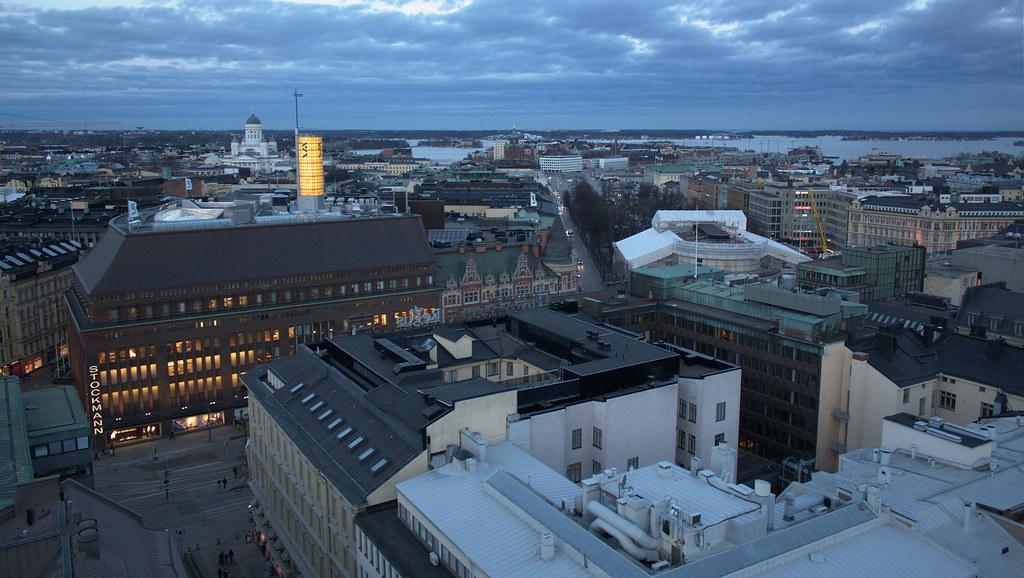
Workforce development initiatives are increasingly being woven into downtown revitalization efforts across major urban centers, creating new job opportunities and support systems for local residents. Cities such as Pittsburgh and San Francisco are spearheading efforts that integrate workforce readiness with public space improvements and affordable housing options to strengthen the urban core and its communities.
Why Workforce Development Matters Now in Downtown Neighborhoods
As downtown areas recover from pandemic disruptions and economic shifts, leaders are focusing on sustainable growth that includes residents who face barriers like limited transit options, language challenges, and low educational attainment. The renewed investment in these neighborhoods hinges on inclusive workforce programs that connect local populations to skills training and employment, supporting both individual livelihoods and wider economic health.
In places like Pittsburgh’s downtown, workforce development is no longer an isolated policy but part of a strategic vision aimed at maintaining clean, safe, and vibrant public spaces while expanding employment opportunities for diverse residents. Similarly, San Francisco operates over 300 job readiness and placement programs accessible within downtown neighborhoods such as South of Market, which feature 'Neighborhood Access Points' to facilitate targeted career support.
Local Strategies Creating Tangible Benefits
Place-based strategies have gained traction to meet the specific needs of downtown communities. Richmond’s approach, for example, coordinates centralized resource hubs to address barriers like transportation and language in distinct neighborhoods, while offering career pathways tailored to local opportunities. This model ensures that workforce initiatives are responsive and effective in addressing neighborhood-level challenges.
Beyond employment, some cities are tackling the nexus of housing and workforce sustainability. Bentonville’s pilot workforce housing project represents a concrete attempt to provide affordable homes to downtown employees, recognizing that stable housing is critical to retaining a local workforce essential for downtown vitality.
Moreover, New York’s Downtown Revitalization Initiative commits $10 million per location to fund workforce development projects, including technology centers in public libraries that support pre-employment services, demonstrating the scale of investment that urban centers are deploying to support working residents.
The evidence for these initiatives’ impact exists in the sheer scale and integration of programs. San Francisco alone sustains hundreds of workforce programs, and Pittsburgh’s downtown partnership recently unveiled a strategic revitalization plan incorporating workforce policies explicitly designed to expand access and inclusion in the local economy.
While comprehensive outcome data remains forthcoming, these place-centered and integrated approaches collectively underscore a shift towards embedding workforce development into urban renewal frameworks, a development seen in multiple downtown cores across the country.
What Comes Next for Workforce Development Efforts?
For downtown neighborhoods and residents, this evolution offers a clearer pathway toward workforce engagement, but success depends on sustained funding, cross-sector collaboration, and community outreach. Practical steps for individuals include connecting with local workforce centers or public library resources that serve as neighborhood access points for job training and placement services.
Local governments and civic organizations appear poised to continue expanding these integrated models. The priority will be maintaining momentum for workforce development within broader economic and housing strategies to ensure downtown neighborhoods are both livable and economically inclusive in the years ahead.
This article is general information only and is not personal financial or investment advice. Consider your own circumstances and seek licensed professional advice before making financial decisions.
References Sourced but Not Limited to:
- media.api.sf.gov · FY 24 29 Citywide Workforce Development Plan DRAFT FOR APPROVAL
- richmondrisingca.org · Now available place based workforce development strategy and...
- sanderspace.com · Downtown bentonville workforce housing initiative
- canada.ca · Community workforce development
- pghliving.com · Pittsburgh downtown partnership unveils strategic vision for...
- regionalcouncils.ny.gov · New York City Workforce Strategy Report 2022
- projects.sfplanning.org · Workforce development